A recent Axios Seattle item draws attention to a Cyclospora outbreak and what Washington residents should know. For people in Seattle, the topic matters because food-borne illness advisories can affect everyday choices at the grocery store, at restaurants, and at home during the summer season.
Cyclospora is a parasite that can cause intestinal illness, and outbreaks often lead to practical questions rather than headlines alone: which foods may be involved, how symptoms show up, and what steps can reduce risk. Even when a brief news note does not list every detail, the public-health message is straightforward: pay attention to food safety guidance and take gastrointestinal symptoms seriously if they follow a recent meal or produce exposure.
Inline image credit: Stock photo from Unsplash by Emanuel Ekstru00f6m.
Why this alert matters now
Summer is a busy period for fresh produce, outdoor dining, picnics, and travel, which can make food-safety notices especially relevant. In a metro area the size of Seattle, even a relatively small outbreak can reach many households through restaurants, markets, and shared ingredients.
The Axios Seattle note is short, so it does not provide a long list of confirmed exposures or an extended interview with health officials. That limited source detail means any responsible summary should stay close to the reported alert rather than adding speculation. What can be said confidently is that the outbreak is current, public, and worth noticing for people living in the Seattle area.
Inline image credit: Stock photo from Unsplash by Fanueal Mengistu.
What Cyclospora means in daily life
Food-borne outbreaks are most useful to the public when they translate into simple, concrete precautions. Washing produce carefully, separating raw foods from ready-to-eat items, and staying attentive to official health notices are standard steps that help reduce risk. For people preparing meals for family or friends, those habits become especially important when an outbreak is in the news.
For many households, the biggest concern is not the technical name of the parasite but whether a recent stomach illness could be related. When a local alert appears, it is wise to compare symptoms, timing, and any foods eaten recently, then contact a medical professional if symptoms persist or worsen.
Inline image credit: Stock photo from Unsplash by Declan Sun.
What is still unknown from the brief report
Because the source material is limited, several specifics remain unclear from the Axios note alone: the exact number of cases, the foods implicated, whether the outbreak is confined to Washington, and whether any recall or official consumer warning has been issued. Those are the kinds of details that a longer public-health report would need to confirm.
That limitation does not make the story unimportant. It simply means the safest and most accurate way to present it is as a current local health alert, not as a fully resolved investigation. For Seattle residents, that distinction is important because it encourages caution without overstating what has been confirmed.
Inline image credit: Stock photo from Pixabay by coyot.
As the situation develops, the most useful next information will likely come from health officials describing the source, the affected population, and any recommended steps for consumers and food businesses. Until then, the key takeaway is simple: there is an active Cyclospora warning in Washington, and it is worth paying attention to if you live, shop, or eat in the Seattle area.
In a highly significant step forward for civic healthcare, the city of Mersin has officially launched an initiative to deploy high-tech, locally manufactured public defibrillators in its most bustling public areas. Initiated on July 16, 2026, this life-saving program places Automatic External Defibrillators (OED) in dense transit points to address sudden cardiac events before professional medical crews can physically navigate city traffic. Developed through a tight-knit partnership between the Turkish Ministry of Health’s General Directorate of Emergency Health Services, national defense technology firm ASELSAN, the Mersin Provincial Health Directorate, and the Mersin Metropolitan Municipality, this endeavor marks a vital transformation in how the coastal city of Mersin approaches preventative urban healthcare and emergency preparedness.
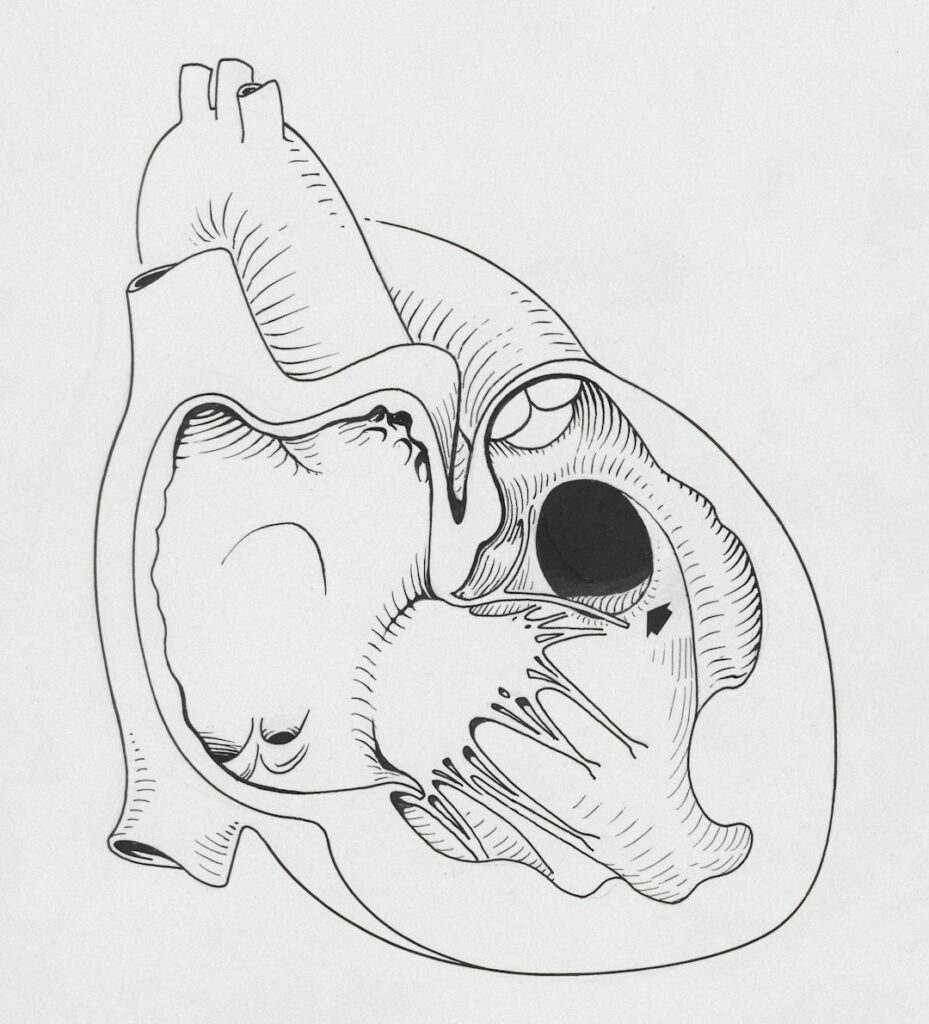
The critical reasoning behind placing advanced medical technology directly into public spaces lies in the daunting reality of global cardiac health statistics. According to international health studies cited by regional health authorities, cardiac arrests and sudden heart failures constitute approximately sixty percent of all mortalities worldwide. Among these sudden incidents, about half occur due to what medical experts term a shockable rhythm, such as ventricular fibrillation, where the heart’s electrical system malfunctions and causes it to quiver uselessly instead of pumping blood. Under such conditions, every second that ticks by represents a rapid decline in oxygen delivery to vital organs, making public intervention not just a luxury, but an absolute biological necessity to prevent irreversible brain damage or mortality.
In emergency medicine, the first five minutes following a cardiac arrest are globally recognized as the golden window for survival. If an individual suffering from a shockable cardiac event receives an electrical charge to reset their heart rhythm within this narrow timeframe, their probability of survival shoots up to a remarkable fifty percent. However, even with the most advanced dispatch systems, municipal emergency services and ambulances often struggle to weave through dense urban traffic and arrive at the patient’s side within those exact five minutes. By distributing automated defibrillators across the urban landscape, Mersin is effectively decentralizing immediate emergency care, empowering ordinary citizens to act as the first line of medical defense while the ambulance is still en route.
Inline image credit: Stock photo from Unsplash by Ela De Pure.
Strategic Deployment Across Mersin’s Four Major Districts
To maximize the practical efficacy of the program, local authorities conducted spatial traffic analyses and selected four distinct locations characterized by exceptionally high pedestrian congestion across the city’s key districts. In the historic Akdeniz district, an area defined by its vibrant commercial trading zones, the first device was installed directly at Ulu Cami Meydanı. As a central landmark and a focal point for thousands of shoppers, daily commuters, and local merchants, the bustling square of Ulu Cami represents an ideal venue where public-access defibrillators can offer immediate security to a diverse and dense crowd of citizens daily.
Moving northward into the expansive district of Toroslar, organizers selected Kuvayi Milliye Caddesi as the next strategic hub for an OED installation. Known as one of the busiest and longest commercial arteries in the city, Kuvayi Milliye Caddesi hosts a high volume of vehicular and foot traffic, with numerous storefronts, cafes, and business centers lining its corridors. Placing a highly visible, weatherproof defibrillator station along this active boulevard ensures that thousands of residents who traverse this district for work, shopping, or school have a highly reliable safety net within arm’s reach should a sudden health crisis unfold.
Inline image credit: Stock photo from Pixabay by tremaestro.
In the modern, highly residential and cultural district of Yenişehir, the initiative brought a defibrillator unit to the popular Özgecan Aslan Barış Meydanı. This public square is famously frequented by youth, families, and senior citizens who gather for recreational activities, seaside walks, and outdoor community events. Finally, further west in the coastal district of Mezitli, a fourth device was securely mounted at the prominent intersection of Gazi Mustafa Kemal (GMK) Bulvarı and Limon Caddesi. This intersection serves as a key transit junction connecting residential zones with coastal commercial strips, experiencing high foot traffic throughout the day and into the late evening hours.
The coordinate framework for these installations required months of preparation and collaboration. The physical integration of the devices involved structural assessments by the Mersin Metropolitan Municipality to determine highly visible, easily accessible, and secure mounting stations that can withstand coastal humidity and seasonal temperature changes. Meanwhile, the Mersin Provincial Health Directorate supervised the logistical alignment, ensuring that each of these four stations is properly mapped and ready to operate within the state’s broader emergency response network, thereby creating a unified shield of health security across the key urban zones.
Inline image credit: Stock photo from Unsplash by judith girard-marczak.
Harnessing Advanced Local Technology to Bridge the Five-Minute Window
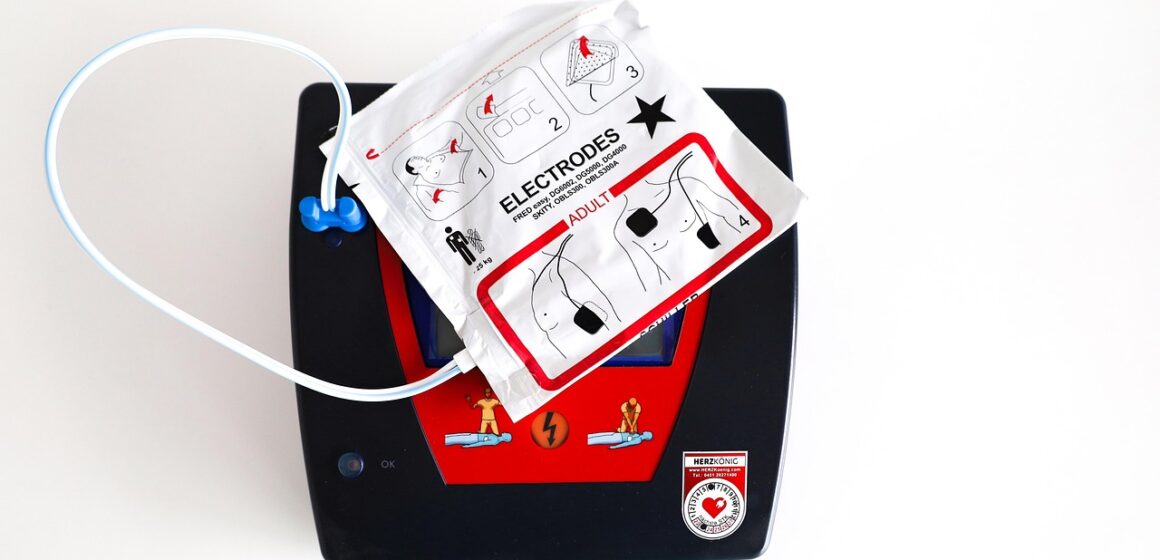
At the heart of Mersin’s new healthcare network is the ASELSAN Heartline, an advanced Automatic External Defibrillator developed entirely by Turkish engineers. Traditionally recognized for its heavy contributions to national defense systems, ASELSAN has actively shifted significant engineering resources toward medical technologies in recent years. This strategic pivot has resulted in high-end medical equipment like the Heartline OED, designed specifically to operate under demanding environmental conditions while maintaining an exceptionally high standard of clinical precision. This transition of military-grade engineering into civil healthcare allows Turkish municipalities to implement reliable public health programs using sovereign domestic technology.
One of the most remarkable features of the ASELSAN Heartline OED is its absolute accessibility to the untrained layperson. The device is designed to eliminate the barrier of panic during a high-stress medical emergency. Upon being opened, the device immediately initiates clear, step-by-step vocal and visual instructions in the local language, guiding the bystander on where to place the self-adhesive pads and when to stand back. Crucially, the system features a built-in automated electrocardiogram (ECG) analyzer that independently determines whether the patient’s heart rhythm is actually shockable. It will not allow a shock to be administered under any circumstances if the patient is not in a specific shockable rhythm, completely removing the risk of accidental harm.
Beyond the immediate hardware, the Heartline system utilizes highly sophisticated cellular and GPS tracking mechanisms. Operating under the “i-SEE” remote monitoring software system developed by ASELSAN, every single public defibrillator in Mersin is actively tracked twenty-four hours a day, seven days a week. This remote software continuously transmits diagnostic data regarding the device’s battery levels, electrode pad expiration dates, internal temperature, and physical integrity to both the Ministry of Health and local medical engineers. If a unit experiences a technical issue or is removed from its station, maintenance teams are automatically alerted, ensuring that the devices are always fully operational and never fail during a critical moment.
Inline image credit: Stock photo from Pixabay by andreas160578.
Furthermore, the advanced connectivity of these devices extends directly to the telemetry systems of the nearby receiving hospitals. When a bystander applies the OED to a cardiac arrest patient, the device can transmit the patient’s live ECG data wirelessly to the incoming emergency teams. This allows emergency physicians and cardiologists at the hospital to view the patient’s heart activity in real time before they even arrive in the emergency department. By providing this crucial head start, the medical facility can prepare the necessary surgical or catheterization labs in advance, creating a seamless, uninterrupted continuum of care from the public square to the operating table.
Seamless Integration with Emergency Services and Future Expansions
An integral component of the deployment’s success is its synchronization with the national 112 Emergency Call Center. When a citizen in Mersin witnesses a sudden collapse and dials 112, the emergency operators are immediately prompted by their computer systems with the exact GPS coordinates of the nearest active OED station. The operator can then guide the caller or another bystander to run and retrieve the device, while keeping the primary caller on the line to walk them through the chest compression and defibrillator setup steps. This cooperative workflow ensures that even individuals with absolutely zero prior knowledge of first aid can successfully operate the technology and potentially save a life under professional guidance.
Inline image credit: Stock photo from Unsplash by ale ber.
Mersin Provincial Health Director Uzm. Dr. Mustafa Ekici emphasized the transformative impact of this program on local mortality rates. He noted that cardiac deaths make up the majority of out-of-hospital emergencies, and having a decentralized, public-facing network of defibrillators is the single most effective way to ensure patients are eventually discharged from the hospital in good health. While the current launch places four devices in critical high-traffic areas, Dr. Ekici confirmed that local authorities have no intention of stopping there. Under national health regulations, these life-saving units are set to expand aggressively throughout Mersin, eventually becoming a standard fixture in sports complexes, intercity bus terminals, public buses, large gated residential developments, and central community centers.
As Mersin takes this crucial step, it joins a growing league of global smart cities that prioritize public-access defibrillation as a fundamental human right and a pillar of urban design. By integrating advanced national technology with local administrative coordination, the city is fostering a culture of active civic responsibility and mutual care. This initiative not only protects individual lives during their most vulnerable moments but also instills a profound sense of safety and community resilience among the residents of Mersin.
Mersin has placed four public Otomatik Eksternal Defibrilatör devices, known in Türkiye as OED devices, in busy city locations as part of an emergency-health effort aimed at improving the first minutes of response when a person suffers sudden cardiac arrest outside a hospital. Haberler.com, carrying an Anadolu Ajansı report by Serkan Avci on July 16, 2026, said the devices were installed by the Mersin İl Sağlık Müdürlüğü in places with heavy public circulation. The core idea is straightforward: put a defibrillation tool closer to the point where a collapse may happen, rather than waiting for all emergency action to begin only after an ambulance arrives.
The deployment is limited in number for now, but it is significant because the devices have been placed in ordinary civic spaces rather than clinical settings. Mersin İl Sağlık Müdürü Mustafa Ekici described the equipment as a practical tool for sudden cardiac-arrest cases, when a patient may need rapid action before professional teams reach the scene. Additional reporting on the same July 16 event, including İhlas Haber Ajansı material carried by Mersin Radikal and related coverage by Yeni Birlik and Aksiyon, identifies the same four-point rollout and adds that the devices were put into service for out-of-hospital cardiac-arrest response in public areas.
Four Public Points Named Across Central Mersin
The four named locations are Akdeniz ilçesi Ulu Cami Meydanı, Toroslar ilçesi Kuvay-ı Milliye Caddesi, Yenişehir ilçesi Özgecan Aslan Barış Meydanı, and the Mezitli point at the intersection of Gazi Mustafa Kemal Bulvarı and Limon Caddesi. Some secondary reports use the shorter GMK Bulvarı wording for Gazi Mustafa Kemal Bulvarı, but the location match is the same Mezitli intersection. Together, the sites put the first stage of the program in four central districts where foot traffic, commuting, shopping, worship, meetings, and everyday movement can bring many people through the same public space during the day.
Inline image credit: Stock photo from Pixabay by wal_172619.
Naming the exact locations matters because public defibrillators are most useful when people know they exist before an emergency occurs. A resident who often passes Ulu Cami Meydanı, a shopkeeper near Kuvay-ı Milliye Caddesi, a commuter moving through the GMK Bulvarı and Limon Caddesi area, or someone who meets friends at Özgecan Aslan Barış Meydanı can now connect that familiar place with a possible emergency resource. The public value of the installation is not only the equipment itself, but also the memory that a device is nearby and that 112 should be called immediately if a person appears to have suffered cardiac arrest.
How the Devices Fit Into the 112 Emergency Chain
The primary report says the OED devices were produced through cooperation between the Sağlık Bakanlığı and ASELSAN with domestic engineering capacity. İHA-based reporting on the same Mersin rollout adds operational detail, saying the devices were placed under the coordination of the Sağlık Bakanlığı Acil Sağlık Hizmetleri Genel Müdürlüğü, were donated by ASELSAN, and were put into service through cooperation involving the Mersin İl Sağlık Müdürlüğü and Mersin Büyükşehir Belediyesi. Those details do not change the central fact of the primary story; they describe the administrative and local cooperation behind the four installations.
Inline image credit: Stock photo from Unsplash by benjamin lehman.
The devices are intended for use during the critical interval before emergency medical teams arrive. According to the primary report, the equipment gives voice commands to guide the user. İHA-based accounts describe both voice and visual guidance and say the device can be used safely by people who are not health personnel. Ekici also emphasized the ease of use, saying even children could follow the device instructions. That point is important for a public-access model: the equipment is not being presented as something reserved only for specialists, but as a guided tool that a bystander may be able to use while waiting for trained responders.
The 112 emergency-call system is central to how the devices are supposed to work. Ekici told AA that when someone calls 112 and says a patient’s heart has stopped, call-center personnel can tell the caller where the device is and explain by phone how to use it. This makes the public defibrillator only one part of the response chain. The intended sequence is to recognize a serious emergency, call 112, follow dispatcher instructions, locate the nearest device if directed, and use the OED according to the device and dispatcher guidance until emergency medical crews arrive.
Inline image credit: Stock photo from Pixabay by analogicus.
Why the First Five Minutes Are Emphasized
Ekici framed the rollout around the risk of cardiac death and the importance of early shock in appropriate cases. In the AA report carried by Haberler.com and Başak Gazetesi, he said cardiac deaths account for about 60 percent of deaths worldwide and that half of those cardiac deaths are in what he described as the shockable-rhythm group. He said survival in that group is 50 percent when shock is applied within the first five minutes. İHA-based reporting carried the same basic message, describing the first five minutes as critical and the OED devices as a way to improve early intervention in public places.
Those figures were offered by the provincial health director as the rationale for placing devices in crowded areas. The key point is not that every collapse will be treatable by a shock, or that a bystander should make a complex medical diagnosis alone. The point is that some sudden cardiac-arrest cases involve a rhythm in which defibrillation can be lifesaving, and delay can be dangerous. By moving guided devices into public spaces and linking their use with 112 telephone instructions, the program aims to reduce the time between collapse, emergency recognition, and the first possible defibrillation attempt.
Inline image credit: Stock photo from Pixabay by PIRO4D.
The public-use design also addresses a common hesitation in emergencies: people may want to help but be afraid of using unfamiliar medical equipment. The reports repeatedly stress that the OED gives instructions and that 112 personnel can provide real-time guidance. In practice, that means the most useful action for a witness remains simple and immediate. Call 112, report what has happened as clearly as possible, follow the call-center instructions, and use the nearest OED only as directed by the device and the emergency guidance.
Expansion Expected Beyond the First Four Devices
Ekici said the four devices allocated to Mersin will not be the final number and that the system will become more widespread in the province. İHA-based accounts add that he connected wider OED use with regulated or expected placement in places such as sports halls, bus terminals, crowded squares, large residential complexes, buses, mosques, and other crowded areas. The present story, however, is specifically about the first four Mersin public locations announced on July 16, 2026. It does not provide a detailed expansion timetable, a future district-by-district list, a maintenance schedule, or cabinet-access procedures for each installed device.
Inline image credit: Stock photo from Unsplash by Europeana.
For now, the immediate public-health message is local and practical. Four OED devices have been placed in Mersin’s Akdeniz, Toroslar, Yenişehir, and Mezitli districts; they are intended for sudden cardiac-arrest response before ambulance teams arrive; and 112 call-center staff can guide callers to the device and explain how it should be used. Residents who regularly pass the four locations can take a moment to notice where the devices are mounted, because awareness before an emergency may reduce confusion when seconds matter.
The Mersin rollout is therefore both a hardware installation and a public-awareness prompt. The devices bring a lifesaving tool into everyday spaces, but their effectiveness depends on recognition, fast calling, dispatcher coordination, and the willingness of nearby people to follow instructions. The available reporting does not prove how often the devices will be used or how quickly the network will expand, but it does establish a concrete first step: four public OED devices are now in named Mersin locations, and provincial health officials say the model is meant to spread beyond this initial stage.
A citizen complaint in Mersin’s Akdeniz district led municipal inspection teams to a chain market branch where 135 food products with expired consumption dates were found on the shelves, according to Habertürk Yerel Haberler, which published the İhlas Haber Ajansı report on July 16, 2026. The inspection took place at a branch operating on Silifke Caddesi in Turgutreis Mahallesi. Akdeniz Belediyesi Zabıta Müdürlüğü teams carried out the check as part of work described in the reports as protecting public health.
The same incident was also reported by Anadolu Ajansı through Habertürk Yerel Haberler, by Demirören Haber Ajansı, and by Mersin Gazetesi, all of which identified the same district, neighborhood, street, municipal unit, complaint trigger, product count, and penalty amount. Those matching details make the additional reports a strong identity match to the primary Habertürk Yerel Haberler item. None of the reviewed reports named the chain market, identified the specific product categories, or said that any customer became ill.
Complaint Triggered an Inspection on Silifke Caddesi
The enforcement action began after a citizen complaint. According to the primary report, Akdeniz Belediyesi Zabıta Müdürlüğü teams inspected a chain market branch on Silifke Caddesi in Turgutreis Mahallesi after the complaint was evaluated. Anadolu Ajansı’s account, also carried by Habertürk Yerel Haberler, said the municipal police teams went to the branch after a citizen’s complaint and examined the aisles. DHA similarly described the inspection as a sudden check carried out after a complaint directed at the branch.
Inline image credit: Stock photo from Unsplash by Dulana Kodithuwakku.
That sequence is important because it shows the case was not presented only as a routine market visit. The reports describe a direct line from a shopper’s concern to an inspection by municipal teams. They do not provide the complaint text or explain what the shopper first noticed, so those details cannot be added. What is clear from the accepted sources is that the complaint led inspectors to the specific branch in Turgutreis Mahallesi, where they checked products on the shelves.
During the inspection, teams found 135 food products whose consumption or use-by dates had passed. The primary Habertürk report described them as food products with expired final consumption dates. Anadolu Ajansı’s version said teams examining the aisles detected 135 food products past their use-by dates. DHA and Mersin Gazetesi both reported that 135 items marked with expired STT, the Turkish abbreviation for son tüketim tarihi, were identified during shelf checks.
Expired Food Items Removed from Sale
After the products were identified, the municipal teams removed them from the shelves. The primary report said the items were collected by the teams, documented in an official record, and placed under custody. DHA and Mersin Gazetesi used similar descriptions, reporting that the products were taken off the shelves and seized or placed under custody by report. Anadolu Ajansı’s shorter account said the collected products were placed under custody to be destroyed.
Inline image credit: Stock photo from Pixabay by Schwoaze.
The reports are consistent that the expired products were not left for the business to handle informally. The primary source said the seized products were taken to the municipal police center for destruction and loaded onto destruction vehicles. DHA and Mersin Gazetesi also reported that the food items were brought to the zabıta center and loaded onto destruction vehicles for safe disposal. Anadolu Ajansı confirmed the products were kept for destruction, though it did not include the same detail about vehicles.
The chain market branch also received an administrative fine. The primary report said the business was fined 3,705 Turkish lira under the relevant provisions of Law No. 5326 on Misdemeanors. Anadolu Ajansı, DHA, and Mersin Gazetesi all reported the same 3,705 lira amount and the same legal basis. The reports do not state whether the business made any comment, whether a follow-up inspection was scheduled for the same branch, or whether any separate food-safety authority opened an additional proceeding.
Inline image credit: Stock photo from Unsplash by Dulana Kodithuwakku.
What the Reports Confirm — and What They Do Not
The confirmed facts are narrow but significant: the inspection took place in Mersin’s Akdeniz district, at a chain market branch on Silifke Caddesi in Turgutreis Mahallesi; it followed a citizen complaint; Akdeniz Belediyesi Zabıta Müdürlüğü teams conducted the check; 135 expired food products were found; the products were removed, documented, and taken into custody for destruction; and the business was fined 3,705 Turkish lira. Those points are supported across the primary Habertürk Yerel Haberler report and multiple additional reports about the same incident.
Equally important are the limits of the available reporting. None of the accepted sources identified the chain market by name. None listed the food categories, brands, package sizes, or expiration dates of the seized items. None reported that the products had already been purchased or consumed. None mentioned injuries, illnesses, hospital visits, recalls, or a broader inspection of other branches connected to the same chain. Because those details were not available in the reviewed sources, they should not be assumed.
The local nature of the case also matters. The branch was not described only as being somewhere in Mersin; the reports located it in Turgutreis Mahallesi on Silifke Caddesi, within Akdeniz district. That specificity gives residents a clearer understanding of where the enforcement action occurred, while the decision not to name the chain market leaves the public record limited. For readers, the safest interpretation is to treat the story as a confirmed municipal enforcement action at an unnamed branch, not as a finding about all stores in any chain.
Inline image credit: Stock photo from Pixabay by Schwoaze.
Municipality Warns Shoppers to Check Dates and Packaging
Akdeniz Belediyesi also used the incident to warn shoppers. According to the primary report, the municipality advised residents to check product consumption dates and packaging integrity while shopping. DHA and Mersin Gazetesi reported the same warning, saying citizens should pay attention to both the final consumption date and the condition of packaging. The message is practical: before buying packaged foods, shoppers should examine the date and look for packaging that appears damaged, opened, leaking, swollen, or otherwise compromised.
The accepted sources do not provide a broader consumer guide, but the municipality’s advice identifies the two visible checks most relevant to this incident: date labels and package condition. A product sitting on a shelf can look ordinary at first glance, especially in a familiar chain market. The Akdeniz case shows why checking the printed date matters before purchase. It also shows why a damaged package should not be ignored, even when the product is displayed in a regular retail setting.
The reports also say Akdeniz Belediyesi pledged that inspections against businesses risking public health would continue across the district. The primary Habertürk report said districtwide inspections would continue without interruption, while DHA and Mersin Gazetesi reported that the municipality said food inspections would continue firmly and increasingly across the district. The sources do not provide a calendar for those inspections or identify future targets, so the confirmed point is limited to the municipality’s stated intention to continue enforcement.
Inline image credit: Stock photo from Unsplash by Dulana Kodithuwakku.
A Local Food Safety Reminder
For Akdeniz residents, the incident is a reminder that food safety enforcement can involve both official inspection teams and citizen reporting. In this case, a complaint led to a specific branch inspection, shelf checks, the discovery of 135 expired products, removal of the items from sale, and an administrative penalty. The reports do not describe a public health emergency, but they do describe a concrete consumer-protection action at a neighborhood shopping location.
The most useful takeaway for shoppers is straightforward: check the final consumption date, inspect packaging condition, and report suspicious products instead of ignoring them. The most useful takeaway for businesses is equally clear: products offered for sale must be monitored before they remain on shelves past the date printed on their labels. Based on the reports reviewed, the Akdeniz enforcement action ended with the expired products taken into custody for destruction and the market branch fined 3,705 Turkish lira, while the municipality said similar inspections would continue across the district.