Reviving Mersin’s Agricultural Heritage: Heirloom Leklek Beans Sown for the Second Year in Gülnar
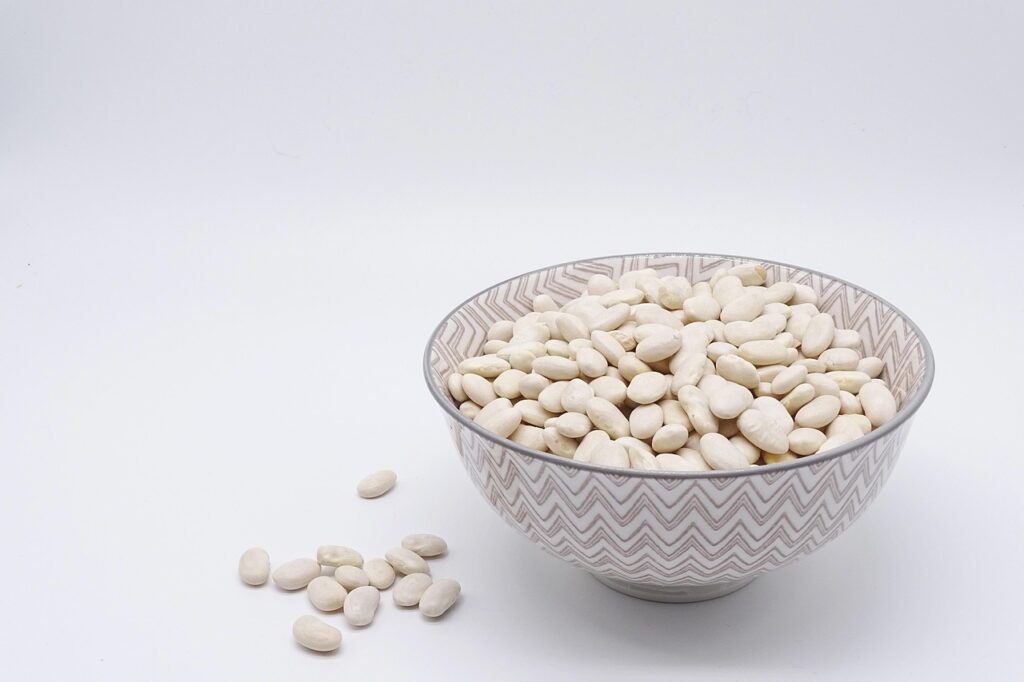
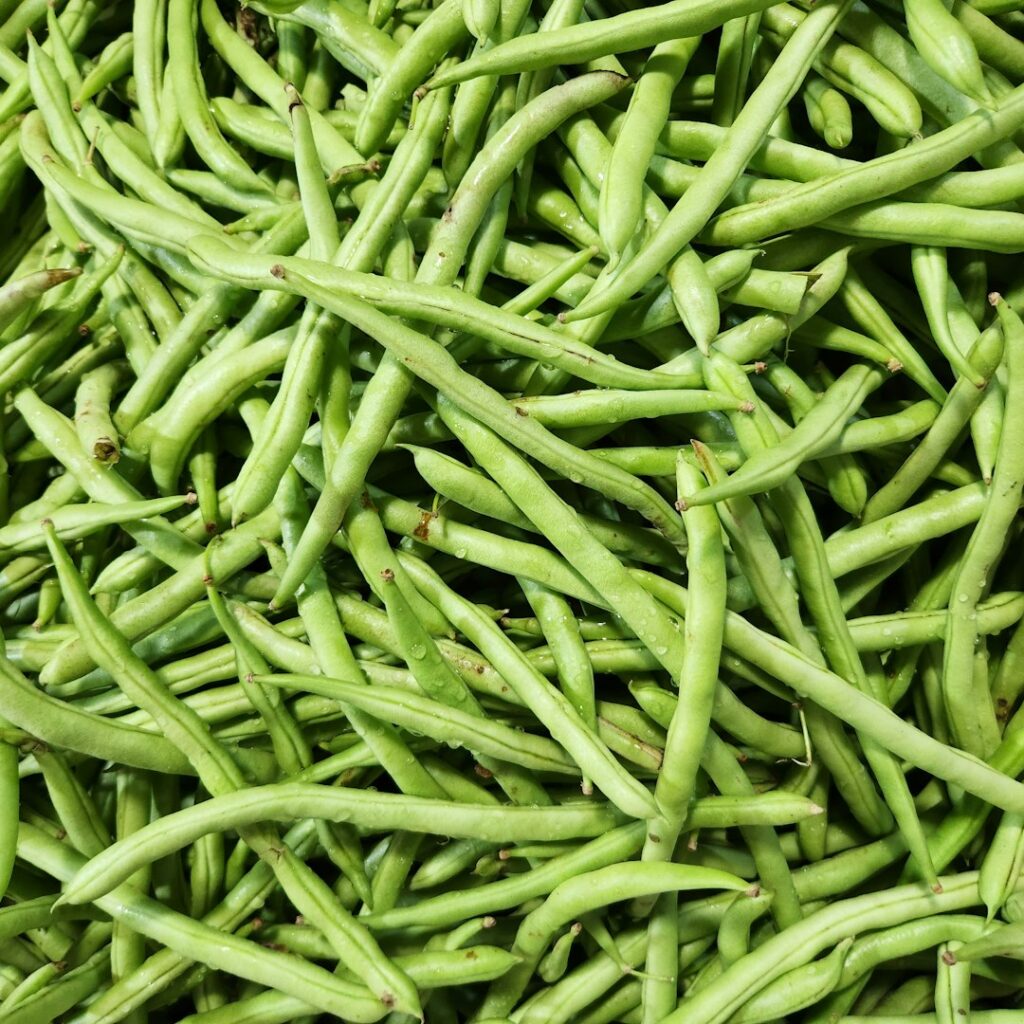
In a significant step toward preserving the rich biological and agricultural diversity of Southern Turkiye (Turkey), the Mersin Metropolitan Municipality’s Agricultural Services Department (Tarımsal Hizmetler Dairesi Başkanlığı) has successfully launched the second annual phase of its heritage seed preservation program in the high-altitude district of Gülnar. This localized initiative centers on the revival of the Leklek bean (Leklek fasulyesi), a critically endangered heirloom crop native strictly to the rural mountain neighborhood of Şeyhömerli. By distributing verified, ancestral seeds directly to local smallholders, municipal authorities are attempting to pull this unique agricultural treasure back from the brink of extinction. At the same time, they are injecting vital economic resilience into a farming community that has long struggled with the challenges of mountainous terrain and shifting market dynamics.
For the current 2026 planting season, the municipality has supplied 15 selected local producers in the Şeyhömerli area with a total of 150 kilograms of verified Leklek bean seeds. Under this targeted distribution framework, each participant received exactly 10 kilograms of seeds, which is the precise amount required to plant one decare (one-tenth of a hectare) of agricultural land. This structured support ensures that the heirloom variety is cultivated under carefully monitored conditions, allowing municipal agronomists to collaborate closely with the growers. Throughout the summer months, municipal teams will conduct regular field visits to observe growth rates, soil quality, and water efficiency, ensuring that the crop receives the technical oversight necessary to thrive in its native habitat.
This year’s distribution directly builds upon the inaugural launch of the project in 2025, when the first cohort of 15 farmers participated in reviving the nearly forgotten bean. Over the course of the two-year span covering 2025 and 2026, the municipality has provided a cumulative total of 300 kilograms of Leklek bean seeds to 30 unique local growers, successfully bringing a combined 30 decares of agricultural land back into active production for this specific variety. By fully absorbing the input costs of these heirloom seeds, the municipality has completely removed the initial financial barrier for local farmers, who are often hesitant to invest in traditional, lower-yield crops when cheaper, industrial alternatives dominate the market. This financial safety net allows smallholders to participate in conservation efforts without risking their household livelihoods.

The Cultural and Ecological Heritage of the Leklek Bean
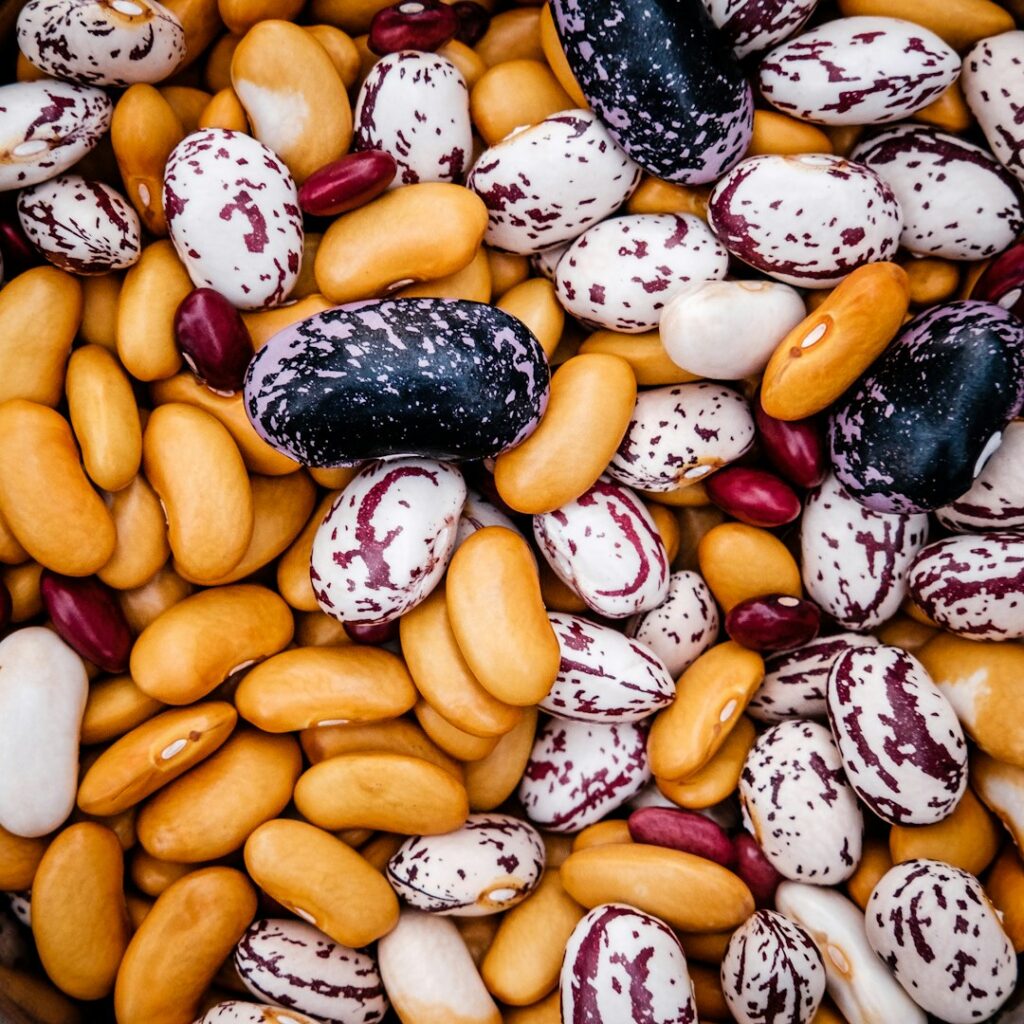
The Leklek bean is far more than just a seasonal agricultural commodity; it represents a vital repository of Mersin’s cultural and culinary history. For generations, this particular bean variety was a staple on the family dinner tables of rural Gülnar, highly prized by the local population for its distinct buttery texture, rapid cooking time, and exceptionally rich aroma. Unlike modern hybrid varieties that have been commercially bred for uniform size and long-distance transport at the expense of taste, the Leklek bean preserves an authentic, historic flavor profile. However, over the past several decades, as industrial monoculture and chemical-heavy farming practices dominated Turkish agriculture, the cultivation of the Leklek bean fell into steep decline, leaving its survival dependent on a handful of elderly farmers who kept small stores of the seeds in their home pantries.
The ecological success of the Leklek bean is intricately bound to the unique geography and microclimate of Gülnar, an upland district perched high in the Taurus Mountains overlooking the Mediterranean. The Şeyhömerli neighborhood possesses a precise combination of dry mountain air, warm daylight hours, cool night temperatures, and mineral-rich limestone soils that cannot be easily replicated elsewhere. This specific environment is essential for triggering the biochemical and enzymatic processes that give the Leklek bean its characteristic tenderness and sweet undertone. Municipal agronomists have repeatedly noted that attempts to grow this bean in the humid, low-altitude coastal plains of Mersin result in noticeable structural differences and a complete loss of its signature flavor, confirming that the crop is highly specialized to its rugged mountain home.
The preservation of ancestral seeds (atalık tohum) has become a global priority as modern industrial practices continue to threaten agricultural biodiversity. While international gene banks store millions of seed varieties in frozen vaults, local conservationists argue that in-situ conservation—meaning keeping the seeds actively growing in their native soils—is far superior. This is because crops planted year after year under real-world conditions continue to adapt to shifting climate pressures, such as rising temperatures and erratic rainfall patterns. By supporting the active cultivation of the Leklek bean in the fields of Gülnar, the Mersin Metropolitan Municipality is contributing to a wider nationwide movement in Türkiye to protect local food systems and secure genetic resources against the vulnerabilities of climate change and agricultural homogenization.
Inside the Local Seed Protection Initiative
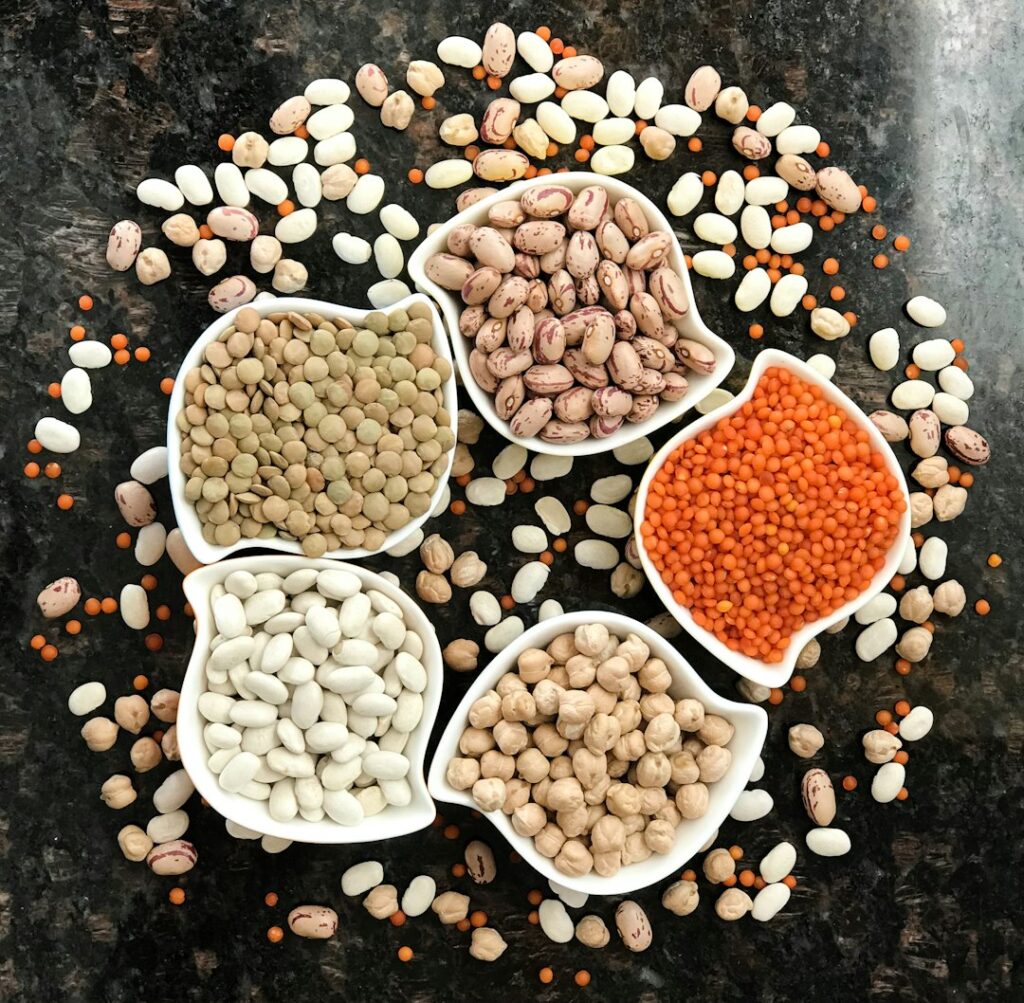
The revival of the Leklek bean is part of a broader, well-established municipal program titled the “Yerel Tohumların Yerinde Korunması ve Pazarlanması” (In-Situ Conservation and Marketing of Local Seeds) project. Administered by the Agricultural Services Department, this long-term initiative began in 2020 with the successful distribution of localized Balandız wheat in Silifke, followed by Gülnar chickpea (nohut) distributions in 2023, before expanding to include the Leklek bean in 2025. According to municipal officials, the program does not stop at seed distribution; agricultural technicians regularly visit the fields to monitor crop health, offer training on organic pest control, and assist farmers in developing sustainable crop rotation strategies that protect the delicate mountain soil for future planting seasons.
Ali Karakış, an agricultural technician (Ziraat Teknikeri) within the municipality’s Agricultural Services Department who actively oversees the logistical and monitoring phases of the project, emphasized that the primary goal is to prevent these irreplaceable genetic lines from disappearing forever. By subsidizing the seed costs entirely, the local government provides a safety net that encourages farmers to return to traditional cultivation. Local growers have expressed deep gratitude for the program, noting that without this timely intervention, the Leklek bean would likely have been completely forgotten within a generation. Now, with municipal support, older farmers can pass down their traditional agricultural knowledge to younger family members, reviving a sense of pride in their local heritage.
While ecological preservation is a cornerstone of the initiative, the economic benefits for the people of Gülnar are equally substantial. Due to its limited availability and superior culinary qualities, the Leklek bean commands a much higher market price than generic, industrially farmed beans. Consumers in Mersin and neighboring provinces are increasingly willing to pay a premium for organic, heritage products with a verifiable local origin. This high-market value provides a lucrative source of income for mountain communities, where traditional agricultural yields are typically lower than those of the fertile coastal plains. The increased profitability helps stabilize rural economies, making farming a viable livelihood for the residents of Şeyhömerli.
The Quest for Geographical Indication and Regional Branding
To secure the long-term economic future of the Leklek bean, the Mersin Metropolitan Municipality has officially initiated the process to obtain a Geographical Indication (coğrafi işaret tescili) for the product. This legal designation, similar to Europe’s protected designation of origin, will certify that the beans sold under the Leklek name are authentically grown in the designated soils of Gülnar using traditional methods. Once the registration process is complete, the geographical seal will protect the brand from imitation, build consumer trust, and significantly boost the crop’s market value. To achieve this, product samples have already been sent to specialized national research institutes for biochemical analysis to map the unique genetic markers of the bean, and officials are currently awaiting these results to move forward with the next phases of registration.
The pursuit of a Geographical Indication for the Leklek bean is part of a wider strategic effort by Mersin’s local government to brand and protect regional delicacies. Having already secured the prestigious geographical indication for Gülnar Kuş Üzümü (the local Corinthian raisin) in 2024, the municipality has submitted filings for several other unique local varieties. In addition to the Leklek bean, current applications are underway for Kravga plums (Kravga eriği), Bozyazı taro (Bozyazı gölevezi), Tarsus black figs (Tarsus karası inciri), and the local nergis flower (nergis çiçeği). This systematic branding approach aims to position Mersin as a major hub for culinary tourism and specialty agricultural exports, celebrating the distinct flavors of its diverse ecosystems.

Beyond biodiversity and economics, the Leklek bean project carries a profound social impact by addressing the pressing issue of rural depopulation. Like many mountainous regions in Türkiye, Gülnar has historically suffered from youth migration to larger urban centers like Mersin and Adana in search of employment. By transforming an endangered heritage crop into a highly profitable, premium agricultural product, the municipality is demonstrating to the younger generation that rural farming can be a lucrative and modern career path. This revitalization of the local economy helps preserve the social fabric of villages like Şeyhömerli, keeping traditional communities active, vibrant, and cohesive.
As the 2026 planting season progresses and the newly sown Leklek beans take root in the soils of Şeyhömerli, the project stands as a model for sustainable rural development. It proves that the preservation of local history and the demands of modern market economics do not have to be at odds. Instead, by leveraging the unique genetic heritage of the Taurus Mountains, Mersin is creating a resilient agricultural model that respects the past while securing the future. The sight of green Leklek bean shoots rising once again from the fields of Gülnar is a powerful symbol of a community reclaiming its heritage, one seed at a time.
Original source: Read the original article.
Source credit: This news brief is based on reporting from Mersin Büyükşehir Belediyesi.
Original headline: MERSİN BÜYÜKŞEHİR LEKLEK FASULYESİNİ CANLANDIRMAK İÇİN DESTEĞİNİ SÜRDÜRÜYOR
Original publication date: 2026-07-16
Featured image credit: Stock photo from Pixabay by jolucasru.