
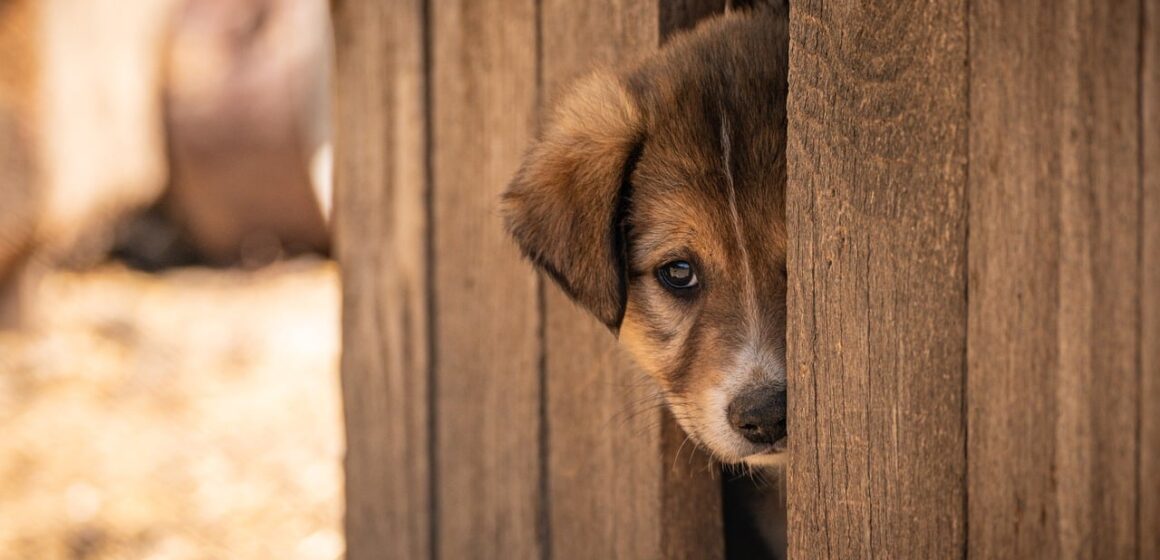
Silifke Animal Care Center Reports Hundreds of Adoptions and Thousands of Treatments in Mersin
Mersin’s public animal welfare work has a prominent base in Silifke, where the Silifke Cemil Sungur Animal Rehabilitation Shelter and Living Area continues to operate as a treatment, rehabilitation and adoption point for stray and vulnerable animals. According to a July 17 report by Demirören News Agency, the center has helped 429 dogs and 96 cats find new homes while continuing to care for hundreds of animals on site. The facility, run under the Mersin Metropolitan Municipality Veterinary Affairs Department, is presented by officials not only as a shelter, but as a working care environment for animals that arrive sick, injured, abandoned or in need of sterilization.
The center is currently hosting 400 dogs and 105 cats, DHA reported, placing it among the important municipal animal care points serving the western part of Mersin province. Its work combines daily feeding and cleaning with veterinary examinations, medication, operations, vaccinations, sterilization, rehabilitation and adoption preparation. Staff members told DHA that animals brought to the facility are monitored closely and supported until they recover, can be adopted or can be returned through the appropriate municipal process.
A Regional Center Serving Silifke, Mut and Gülnar
Responsible veterinarian Muhammed Akpınar said the Silifke facility has capacity for 500 dogs and 250 cats. With 400 dogs and 105 cats currently inside, the dog section is operating close to its stated capacity while still receiving animals that need intervention. Akpınar said many of the animals now at the center are undergoing treatment, underscoring that the facility’s daily workload is not limited to housing. It also functions as a veterinary care point for animals whose health problems require observation, procedures and follow-up.
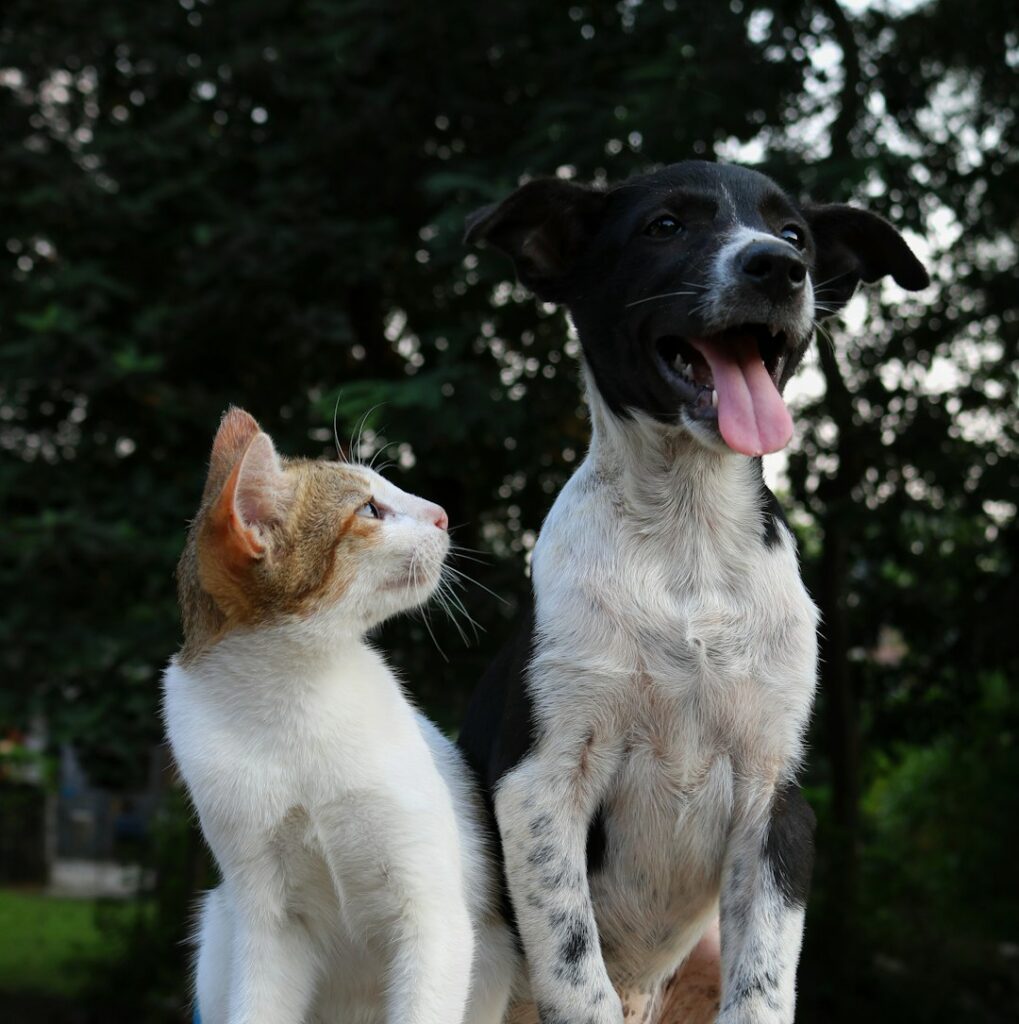
The center’s role extends beyond Silifke itself. Akpınar told DHA that animals are also brought by the district municipalities of Mut and Gülnar, as well as Silifke. The facility carries out treatment, rehabilitation and sterilization services for stray cats and dogs from those three districts. Once treatment is complete, animals may be handed back to the relevant district municipality, which then returns them to natural living areas when appropriate. That arrangement makes the Silifke site a shared service hub for a wider region rather than a single-district shelter.
Such coordination is especially important in a province that includes dense urban neighborhoods, rural settlements, mountain districts and coastal communities. Stray animal care in that setting requires transportation, triage, veterinary decision-making, post-operative recovery space and ongoing daily labor. The DHA report describes a system in which district municipalities bring animals in, metropolitan municipality teams provide medical and rehabilitation services, and animals then move through adoption or return procedures. The process depends on both veterinary infrastructure and routine municipal cooperation.
Thousands of Sterilizations Since 2022
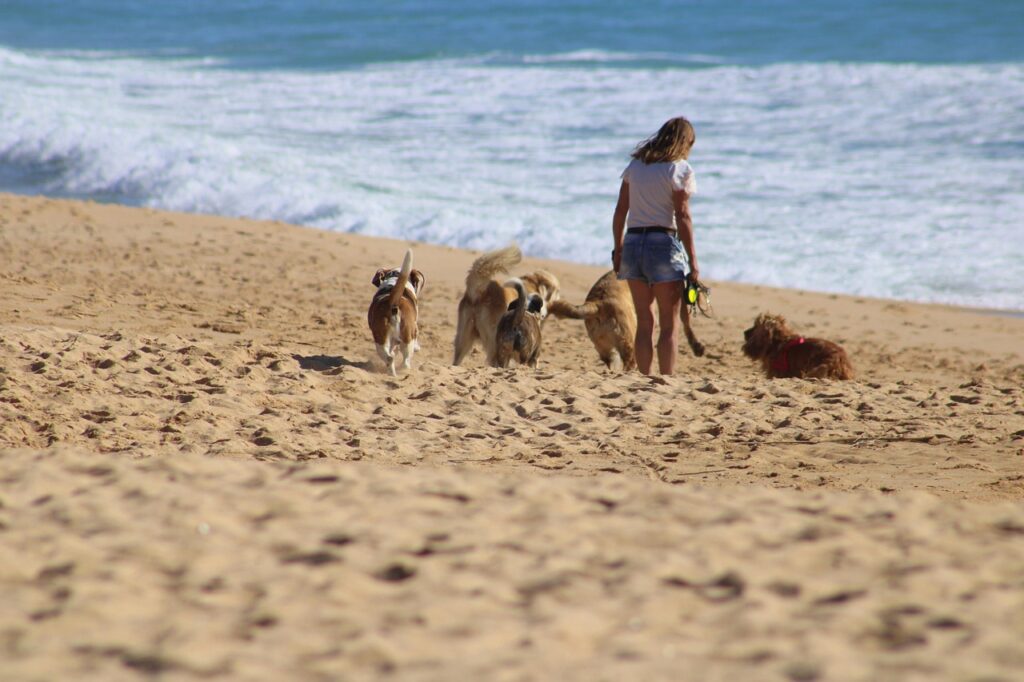
The figures reported from the Silifke center show the scale of that work since 2022. DHA said 4,656 dogs and 1,961 cats have been sterilized through the facility over that period. Sterilization is one of the central tools municipalities use to manage stray animal populations while reducing the number of animals later exposed to hunger, illness, injury or abandonment. In Silifke, the numbers indicate a steady, multi-year program rather than a short-term campaign.
The center’s treatment figures are also substantial. Since 2022, 7,473 injured or sick dogs and 3,677 cats have been treated and restored to health, according to the same report. Those numbers point to a continuous flow of animals arriving with medical needs, including animals injured in traffic, animals suffering from illness and animals requiring care after abandonment or neglect. Staff members described a daily rhythm built around assessment, medication, surgery where needed, sterilization, vaccination, feeding and cleaning.
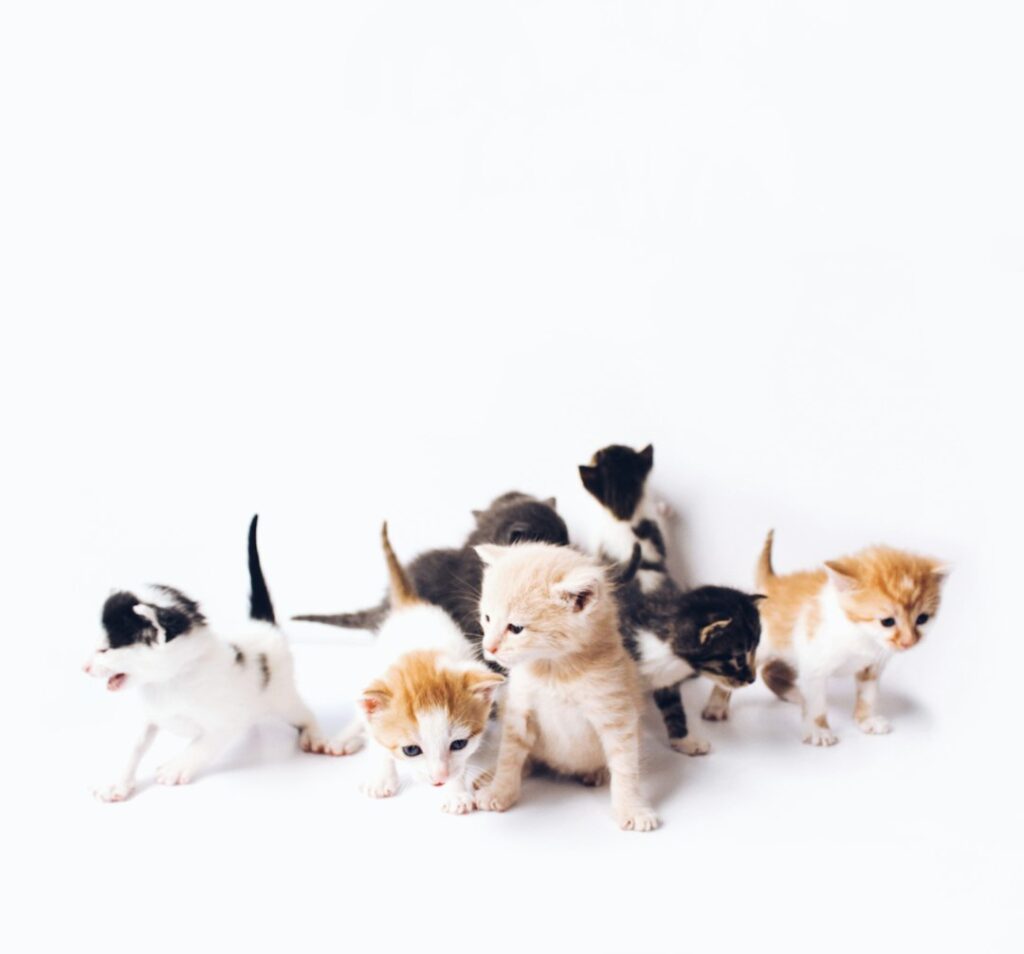
Veterinary technician Seda Akın, who is responsible for the cat paddock area, said the staff begin by checking the animals’ general condition as soon as they arrive for the day. If medication or treatment is needed, the process starts immediately. Animals requiring surgery are operated on, sterilization procedures are carried out, and animals are rehabilitated after those procedures. Akın said the cats are treated individually, with staff handling vaccines, treatments and other care while support personnel assist with food and cleaning. Her description places routine observation at the center of the facility’s work: problems must be noticed early before they can be treated effectively.
Adoption Turns Rehabilitation Into a New Start
One of the most visible results of the center’s work is adoption. DHA reported that 429 dogs and 96 cats have been adopted from the Silifke facility to date. For animals that arrive injured, sick, abandoned or without a safe home, adoption is the point at which municipal care can become a permanent change in living conditions. The center’s staff describe the animals as being prepared for new lives through treatment, socialization and daily attention rather than simply being kept until someone comes to take them.
The adoption process is supported by practical incentives. Akın told DHA that residents can visit the facility and choose a cat or dog to adopt. She also said sterilization for adopted animals is provided free of charge, and that the municipality offers two years of food, vaccination and treatment support after adoption. That follow-up assistance may make adoption more accessible for residents who want to take in an animal but worry about early veterinary costs or the responsibilities involved in first-time pet ownership.
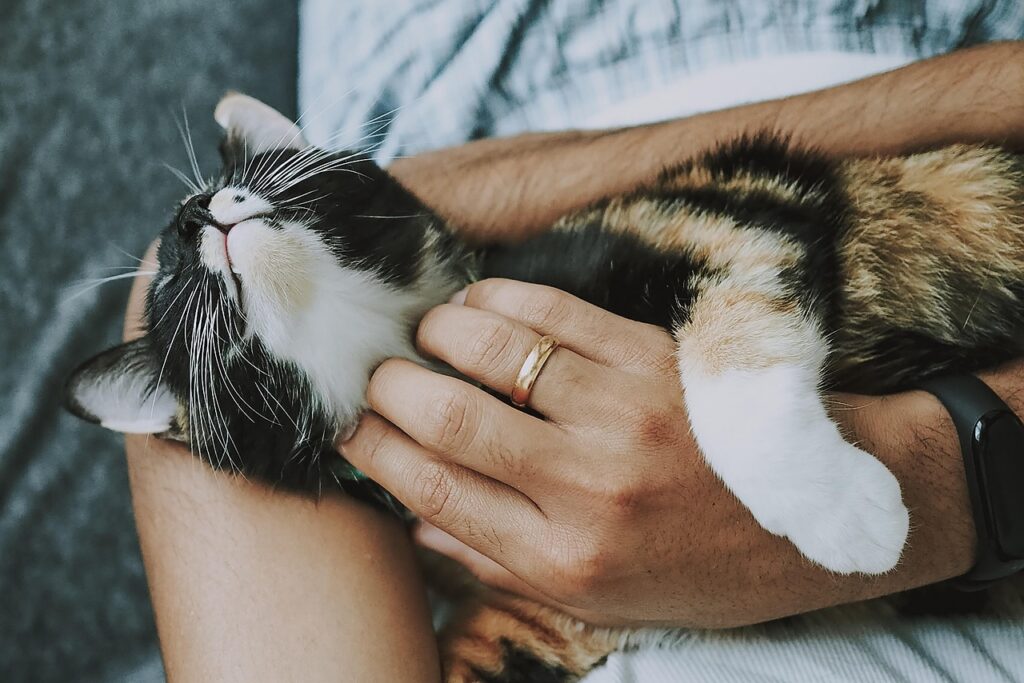
Akpınar said the facility accepts visitors on weekdays between 13:00 and 15:00. Those visiting hours provide a structured window for residents who want to see the animals, ask staff questions and consider adoption. The setting also gives potential adopters a chance to understand the background of an animal before making a decision. For a dog or cat that has already received treatment, sterilization and daily care, a successful adoption can complete the rehabilitation process by moving the animal from temporary municipal protection into a home.
Staff Urge Residents to Help During Summer Heat
The report also included a seasonal appeal from the shelter staff as Mersin moves through hot summer weather. Akın urged residents to place a bowl of water and a small amount of food in front of homes or workplaces for stray animals. She said animals may be able to withstand hunger for a time because of their instincts, but they cannot endure thirst. The message was directed at people who may not be able to adopt or volunteer but can still provide immediate help in their own neighborhoods.
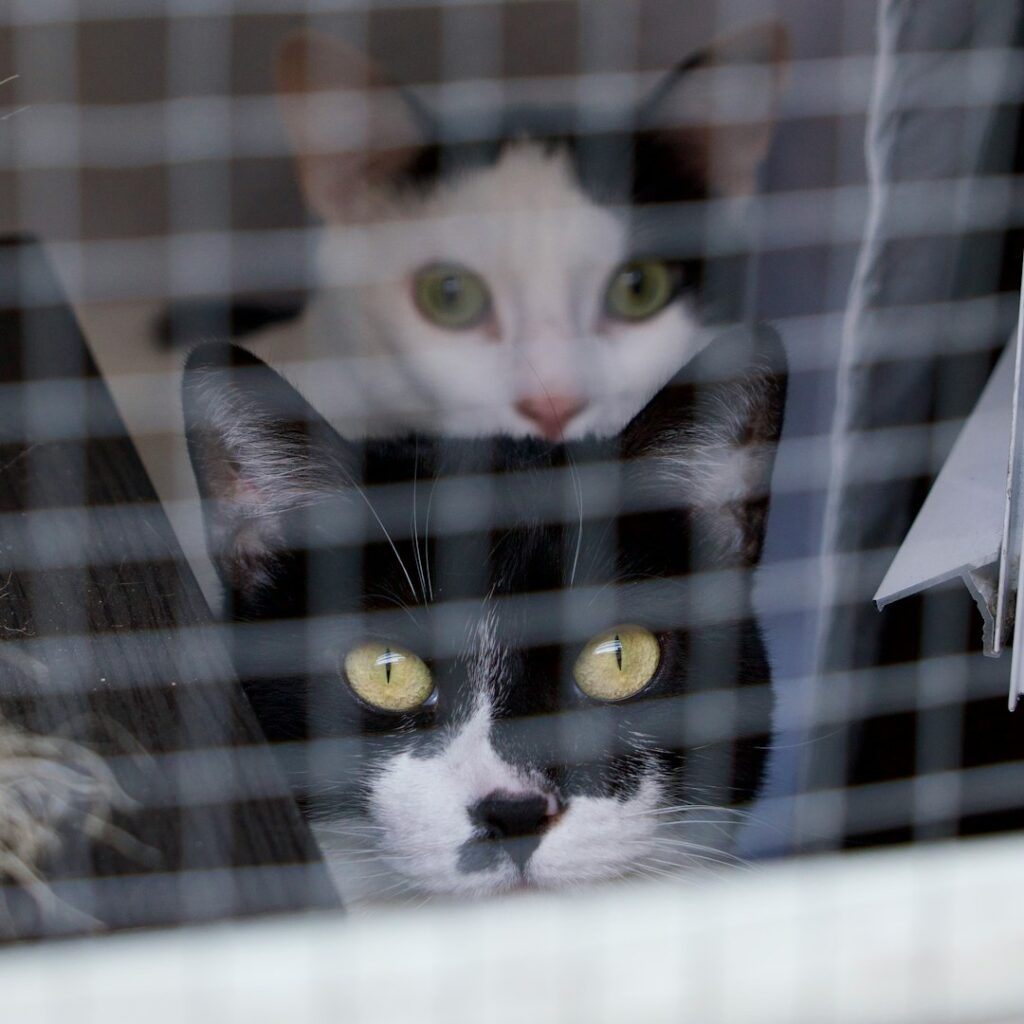
That appeal reflects the broader nature of animal welfare work in the city. The Silifke facility provides veterinary care, sterilization, rehabilitation and adoption services, but animals outside the center still depend on public awareness and small acts of daily support. A bowl of clean water placed in a shaded, safe location can become critical during periods of extreme heat. When repeated across streets, apartment blocks, shops and rural settlements, those simple steps can reduce suffering while municipal teams continue the more specialized work of treatment and rehabilitation.
The Silifke Cemil Sungur Animal Rehabilitation Shelter and Living Area’s current record combines measurable results with ongoing responsibility: more than 500 animals now under care, hundreds of completed adoptions, thousands of sterilizations and more than 11,000 cats and dogs treated since 2022. The DHA report portrays the center as a place where injured and vulnerable animals are not only kept, but examined, healed, socialized and prepared for a safer future. For Mersin residents considering adoption, the facility’s weekday visitor hours offer a direct route to take part in that work; for others, the summer reminder is simpler but still urgent — keep water and food available for animals that have no one else to ask for help.
Original source: Read the original article.
Source credit: This news brief is based on reporting from DHA.
Original headline: Mersin’de can dostlara güvenli liman
Original author: DHA
Original publication date: 2026-07-17
Featured image credit: Stock photo from Pixabay by GumiKutya.