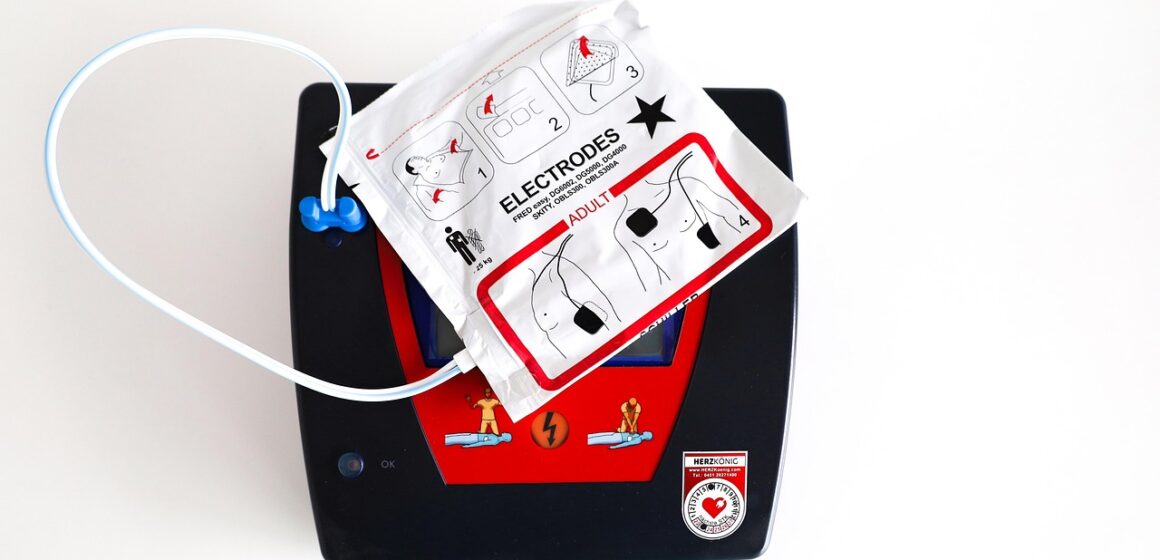
Mersin has placed four public Otomatik Eksternal Defibrilatör devices, known in Türkiye as OED devices, in busy city locations as part of an emergency-health effort aimed at improving the first minutes of response when a person suffers sudden cardiac arrest outside a hospital. Haberler.com, carrying an Anadolu Ajansı report by Serkan Avci on July 16, 2026, said the devices were installed by the Mersin İl Sağlık Müdürlüğü in places with heavy public circulation. The core idea is straightforward: put a defibrillation tool closer to the point where a collapse may happen, rather than waiting for all emergency action to begin only after an ambulance arrives.
The deployment is limited in number for now, but it is significant because the devices have been placed in ordinary civic spaces rather than clinical settings. Mersin İl Sağlık Müdürü Mustafa Ekici described the equipment as a practical tool for sudden cardiac-arrest cases, when a patient may need rapid action before professional teams reach the scene. Additional reporting on the same July 16 event, including İhlas Haber Ajansı material carried by Mersin Radikal and related coverage by Yeni Birlik and Aksiyon, identifies the same four-point rollout and adds that the devices were put into service for out-of-hospital cardiac-arrest response in public areas.
Four Public Points Named Across Central Mersin
The four named locations are Akdeniz ilçesi Ulu Cami Meydanı, Toroslar ilçesi Kuvay-ı Milliye Caddesi, Yenişehir ilçesi Özgecan Aslan Barış Meydanı, and the Mezitli point at the intersection of Gazi Mustafa Kemal Bulvarı and Limon Caddesi. Some secondary reports use the shorter GMK Bulvarı wording for Gazi Mustafa Kemal Bulvarı, but the location match is the same Mezitli intersection. Together, the sites put the first stage of the program in four central districts where foot traffic, commuting, shopping, worship, meetings, and everyday movement can bring many people through the same public space during the day.

Naming the exact locations matters because public defibrillators are most useful when people know they exist before an emergency occurs. A resident who often passes Ulu Cami Meydanı, a shopkeeper near Kuvay-ı Milliye Caddesi, a commuter moving through the GMK Bulvarı and Limon Caddesi area, or someone who meets friends at Özgecan Aslan Barış Meydanı can now connect that familiar place with a possible emergency resource. The public value of the installation is not only the equipment itself, but also the memory that a device is nearby and that 112 should be called immediately if a person appears to have suffered cardiac arrest.
How the Devices Fit Into the 112 Emergency Chain
The primary report says the OED devices were produced through cooperation between the Sağlık Bakanlığı and ASELSAN with domestic engineering capacity. İHA-based reporting on the same Mersin rollout adds operational detail, saying the devices were placed under the coordination of the Sağlık Bakanlığı Acil Sağlık Hizmetleri Genel Müdürlüğü, were donated by ASELSAN, and were put into service through cooperation involving the Mersin İl Sağlık Müdürlüğü and Mersin Büyükşehir Belediyesi. Those details do not change the central fact of the primary story; they describe the administrative and local cooperation behind the four installations.
The devices are intended for use during the critical interval before emergency medical teams arrive. According to the primary report, the equipment gives voice commands to guide the user. İHA-based accounts describe both voice and visual guidance and say the device can be used safely by people who are not health personnel. Ekici also emphasized the ease of use, saying even children could follow the device instructions. That point is important for a public-access model: the equipment is not being presented as something reserved only for specialists, but as a guided tool that a bystander may be able to use while waiting for trained responders.
The 112 emergency-call system is central to how the devices are supposed to work. Ekici told AA that when someone calls 112 and says a patient’s heart has stopped, call-center personnel can tell the caller where the device is and explain by phone how to use it. This makes the public defibrillator only one part of the response chain. The intended sequence is to recognize a serious emergency, call 112, follow dispatcher instructions, locate the nearest device if directed, and use the OED according to the device and dispatcher guidance until emergency medical crews arrive.

Why the First Five Minutes Are Emphasized
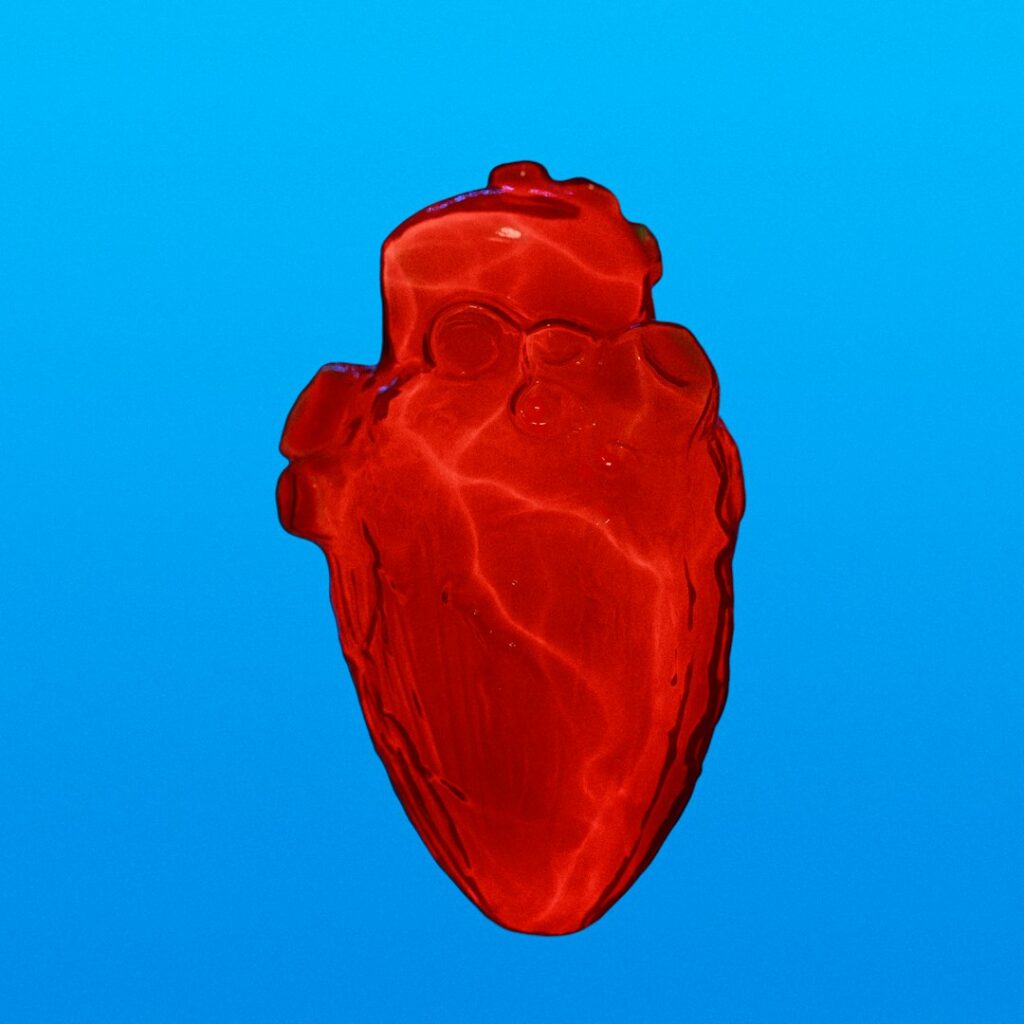
Ekici framed the rollout around the risk of cardiac death and the importance of early shock in appropriate cases. In the AA report carried by Haberler.com and Başak Gazetesi, he said cardiac deaths account for about 60 percent of deaths worldwide and that half of those cardiac deaths are in what he described as the shockable-rhythm group. He said survival in that group is 50 percent when shock is applied within the first five minutes. İHA-based reporting carried the same basic message, describing the first five minutes as critical and the OED devices as a way to improve early intervention in public places.
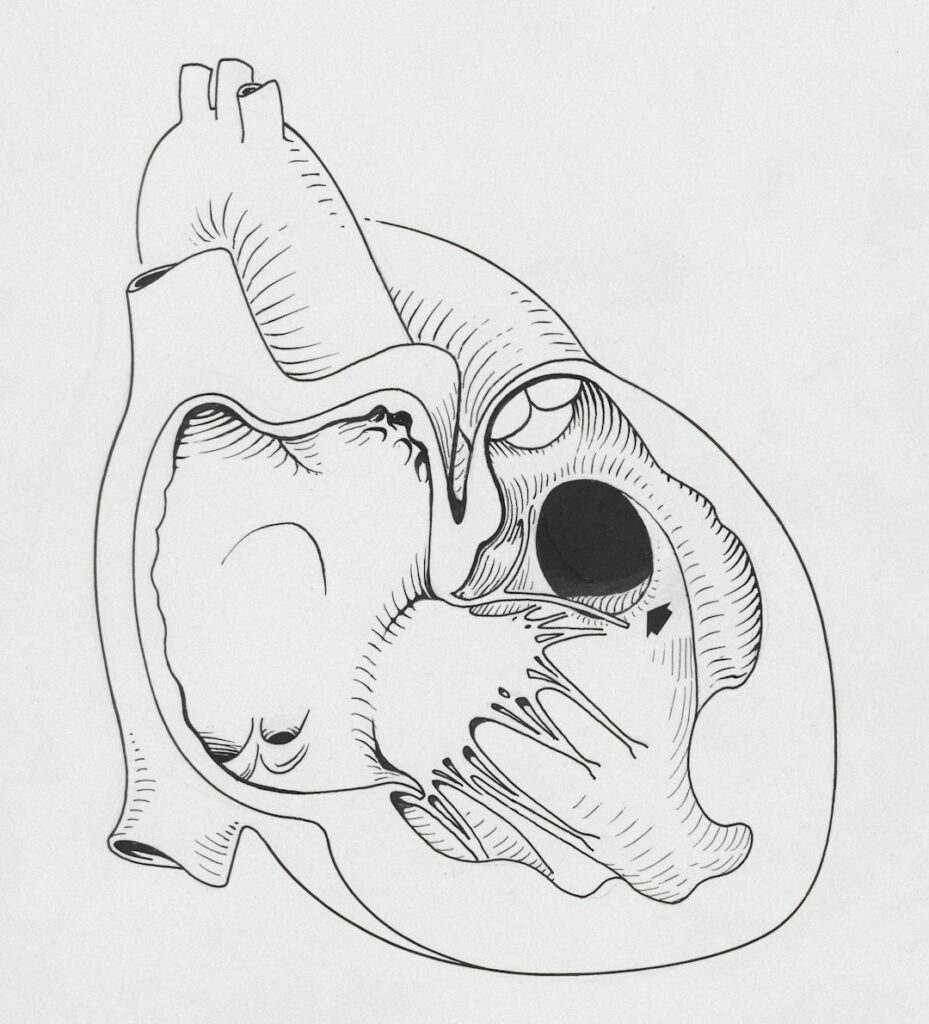
Those figures were offered by the provincial health director as the rationale for placing devices in crowded areas. The key point is not that every collapse will be treatable by a shock, or that a bystander should make a complex medical diagnosis alone. The point is that some sudden cardiac-arrest cases involve a rhythm in which defibrillation can be lifesaving, and delay can be dangerous. By moving guided devices into public spaces and linking their use with 112 telephone instructions, the program aims to reduce the time between collapse, emergency recognition, and the first possible defibrillation attempt.

The public-use design also addresses a common hesitation in emergencies: people may want to help but be afraid of using unfamiliar medical equipment. The reports repeatedly stress that the OED gives instructions and that 112 personnel can provide real-time guidance. In practice, that means the most useful action for a witness remains simple and immediate. Call 112, report what has happened as clearly as possible, follow the call-center instructions, and use the nearest OED only as directed by the device and the emergency guidance.
Expansion Expected Beyond the First Four Devices
Ekici said the four devices allocated to Mersin will not be the final number and that the system will become more widespread in the province. İHA-based accounts add that he connected wider OED use with regulated or expected placement in places such as sports halls, bus terminals, crowded squares, large residential complexes, buses, mosques, and other crowded areas. The present story, however, is specifically about the first four Mersin public locations announced on July 16, 2026. It does not provide a detailed expansion timetable, a future district-by-district list, a maintenance schedule, or cabinet-access procedures for each installed device.
For now, the immediate public-health message is local and practical. Four OED devices have been placed in Mersin’s Akdeniz, Toroslar, Yenişehir, and Mezitli districts; they are intended for sudden cardiac-arrest response before ambulance teams arrive; and 112 call-center staff can guide callers to the device and explain how it should be used. Residents who regularly pass the four locations can take a moment to notice where the devices are mounted, because awareness before an emergency may reduce confusion when seconds matter.
The Mersin rollout is therefore both a hardware installation and a public-awareness prompt. The devices bring a lifesaving tool into everyday spaces, but their effectiveness depends on recognition, fast calling, dispatcher coordination, and the willingness of nearby people to follow instructions. The available reporting does not prove how often the devices will be used or how quickly the network will expand, but it does establish a concrete first step: four public OED devices are now in named Mersin locations, and provincial health officials say the model is meant to spread beyond this initial stage.
Original source: Read the original article.
Source credit: This news brief is based on reporting from Haberler.com.
Original headline: Ani kalp durmalarına karşı üretilen cihaz Mersin'de meydanlara yerleştirildi
Original author: AA / Serkan Avci
Original publication date: 2026-07-16
Additional sources and references:
Featured image credit: Stock photo from Pixabay by Tho-Ge.