
ATAA Launches a Nationwide Turkic Languages & Heritage Film Festival Beginning in New York
The Assembly of Turkish American Associations has announced the inaugural 2026–2027 season of the Turkic Languages & Heritage Film Festival, a new national program intended to bring films from across the Turkic-speaking world to audiences in the United States. The opening weekend is scheduled for December 4–5, 2026, at Türk Evi, also known as Turkish House, at 821 United Nations Plaza in New York City. Admission is free with advance reservation, according to the festival’s official information.
The launch is notable because the festival is organized around a language family rather than one national cinema. Turkish-language films are part of the program, but the stated scope reaches more broadly across Turkic languages, communities, and diasporas. The official festival announcement says the 2026–2027 selection includes work connected to Türkiye, Northern Cyprus, Azerbaijan, Kazakhstan, Kyrgyzstan, North Macedonia, and the Sakha Republic, also known as Yakutia.
For Turkish Americans, the project creates a new public setting in which films can connect heritage, family memory, migration, artistic expression, and contemporary life. It also gives English-speaking viewers an entry point into stories that may be familiar within Turkish and Turkic households but less visible in mainstream U.S. cultural programming. Festival organizers say films will be presented with English subtitles, helping make the events accessible to people who do not speak the languages represented on screen.

A New Cultural Program With a National Reach
The festival is a program of the ATAA Arts Committee. ATAA describes itself as a nonprofit national organization representing more than 50 local chapters and serving as a cultural, educational, and grassroots network for Turkish Americans in the United States. That nationwide structure is central to the festival’s plan: New York will host the opening, while additional screenings and public programs are expected to travel through local associations and partner communities during the season.
The current festival calendar lists New York as the confirmed opening location. Additional U.S. programs are planned from January through March 2027, although their cities, venues, and dates have not yet been announced. A closing program is listed for Washington, DC, from April 30 through May 1, 2027; the larger ATAA announcement lists the closing period through May 2. Because the schedule remains in development, prospective attendees should confirm individual dates and locations through the official TLFF website before making plans.
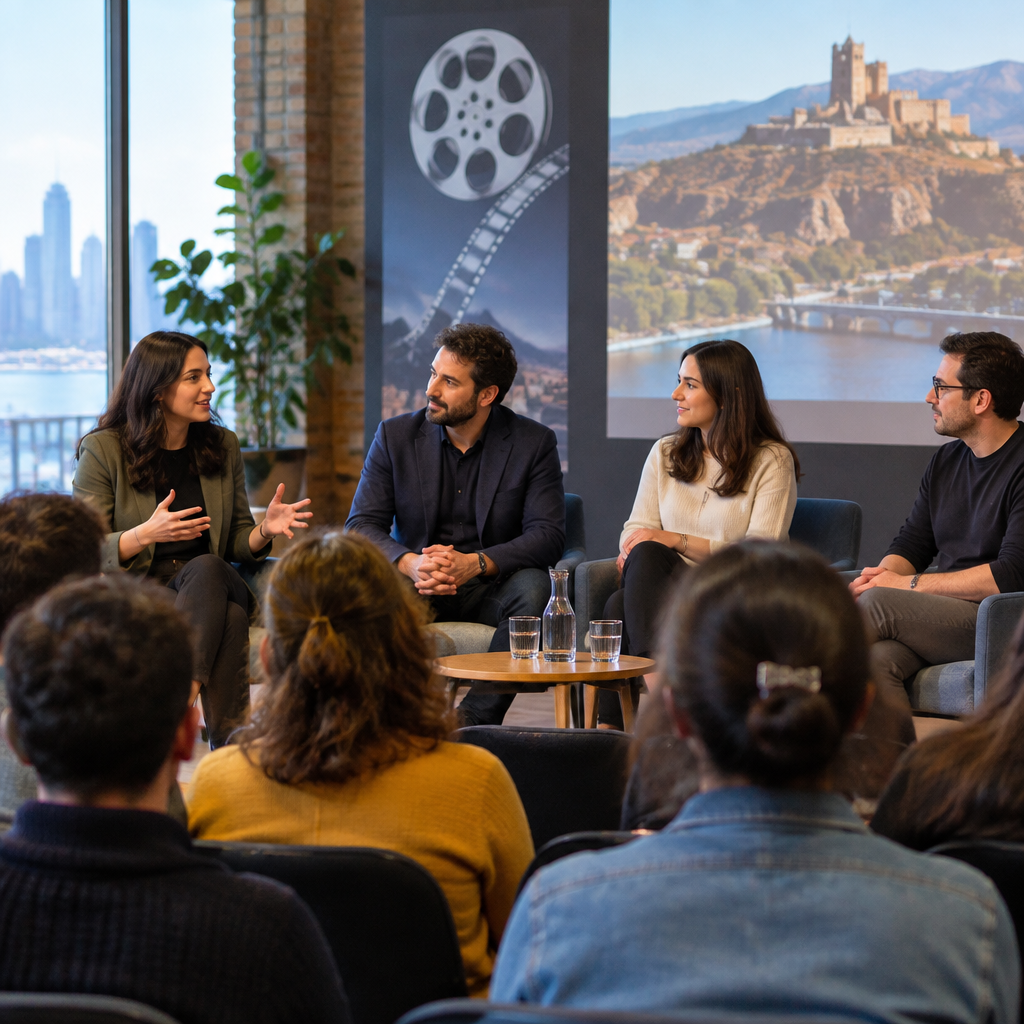
The New York program is designed as more than a sequence of film screenings. Organizers describe a season that includes filmmaker conversations, educational sessions, and resources intended to provide context about the languages, regions, and communities represented in the films. This approach can help viewers engage with the work as cinema while also learning about the cultural settings from which the stories emerge.
The New York Opening Weekend
The official schedule currently lists eight curated programs across December 4 and December 5, along with a reception. On Friday, December 4, programming begins at 11:30 a.m. with a welcome gathering and continues through an evening program scheduled to end at 7:45 p.m. Friday’s lineup includes programs titled Borders of Belonging, Traces & Passages, Rituals of Memory, and Heritage in Motion. The schedule notes that individual programs may include question-and-answer sessions, coffee and dessert, opening remarks, and short films.
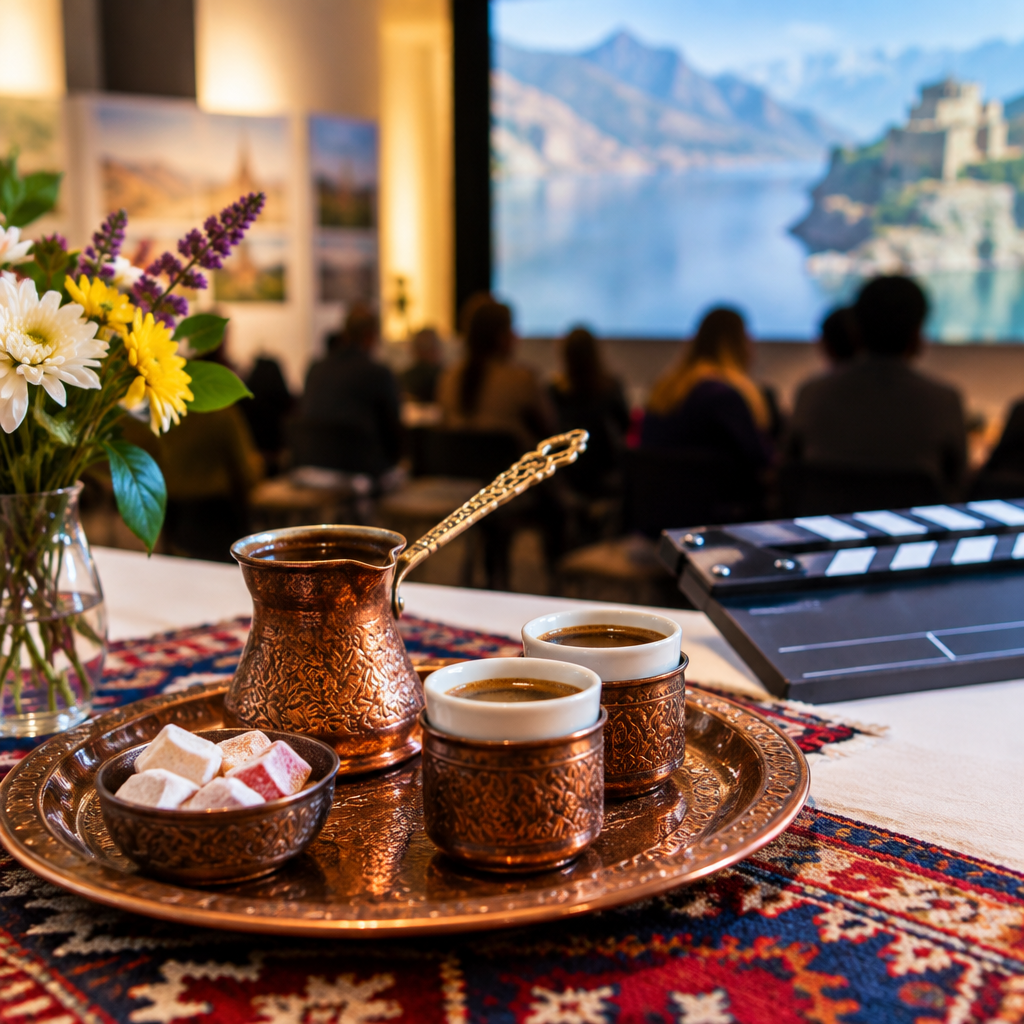
Saturday’s schedule begins at 10:30 a.m. and includes a program titled Between Worlds, a special program associated with World Turkish Coffee Day and presented with the Turkish Coffee Lady Foundation, and later sessions titled Inherited Silences and Threads of Memory. The official schedule currently lists the last Saturday film program as ending at 6:10 p.m. A New York reception is scheduled for December 5 from 6:15 p.m. to 8:15 p.m. at Türk Evi.
The festival emphasizes that reservations are managed separately for each program because seating is limited. The published schedule is subject to change, and organizers ask visitors to reserve the programs they plan to attend. The official site characterizes the opening weekend as seven curated film screenings, one Turkish coffee celebration, and one closing reception. That combination gives attendees options to choose individual sessions rather than treating the weekend as a single all-day event.
Films, Languages, and Shared Stories
The festival’s curatorial structure is built around four strands: Roots, Crossings, Becoming, and Traces. A separate Heritage Spotlight is intended to focus on living traditions. Together, those themes suggest a program that can hold both historical and present-day experiences: inherited practices, movement between places, changing identities, and the marks left by memory. The framework is especially relevant to diaspora communities, where language and culture are often carried across generations in changing forms.
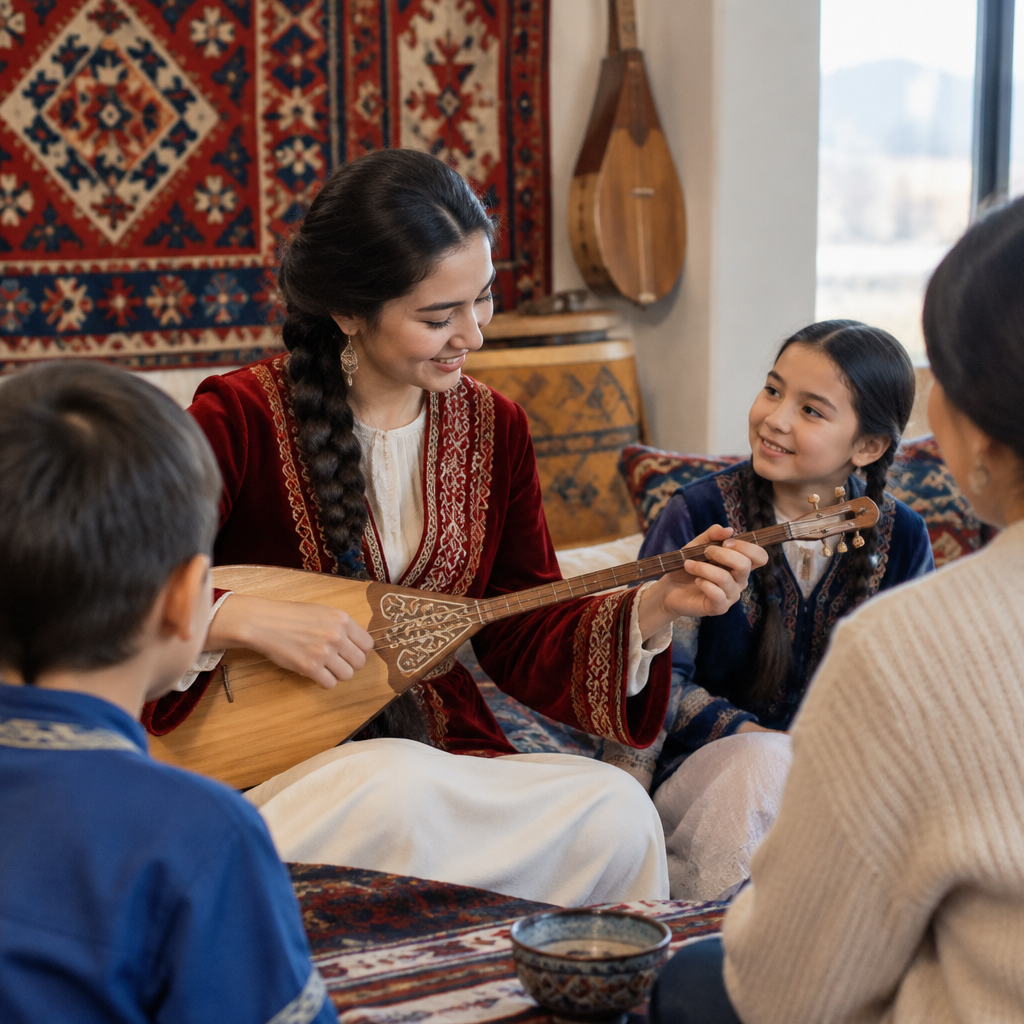
Festival organizers say the program welcomes films in Turkic languages including Turkish, Azerbaijani, Kazakh, Kyrgyz, Uzbek, Turkmen, Tatar, and Sakha, among others. The scope can also include work from historically or culturally connected places when the subject meaningfully engages with Turkic languages, heritage, memory, or experiences. This is an important distinction: the festival is not limited by a single country’s borders, and its program is intended to show the diversity within a broad linguistic and cultural landscape.
The official site identifies competitive categories for narrative features, documentary features, live-action shorts, animated shorts, documentary shorts, and audience awards. The festival also plans special presentations outside competition. Its organizers say the selection process includes open submissions and invited works, with the complete official selection to be published before the New York opening. As a result, some program details may still change as rights, scheduling, and final selections are completed.
Why the Festival Matters in the United States
A national festival can give Turkish American cultural organizations a practical way to host local gatherings around film while participating in a wider U.S. program. Instead of requiring every community to create a film event from the beginning, the festival’s model uses local associations, community organizers, and partner institutions to bring screenings into different regions. The organizers describe the effort as a network rooted in local communities rather than a project limited to one permanent venue.
For younger Turkish Americans and people from mixed-language or mixed-cultural families, the festival may offer an opportunity to encounter stories that reflect both inheritance and change. Films can make room for regional languages, family traditions, contemporary artists, and experiences of relocation without reducing the Turkic world to a single narrative. For non-Turkish attendees, English subtitles and public educational programs can make that cultural exchange more approachable.

The opening at Türk Evi also places the first weekend in a highly visible New York setting near the United Nations. Organizers have described New York as the festival’s founding city and see the venue as fitting for a program centered on cultural representation. The location may make the December opening accessible not only to New York-area Turkish Americans but also to visitors, students, film enthusiasts, and members of many neighboring communities.
The immediate public opportunity is the December 4–5 opening weekend in New York. The wider 2026–2027 season will continue with additional U.S. screenings and educational programs as locations are confirmed, followed by the planned Washington, DC closing program in spring 2027. Interested attendees can monitor the official TLFF website for reservation instructions, updated program information, and announcements about future host cities.
Original source: Read the original article.
Source credit: This news brief is based on reporting from Assembly of Turkish American Associations (ATAA).
Original headline: Turkic Languages & Heritage Film Festival
Original author: Laurelhouse@81
Original publication date: 2026-10-01
Featured image credit: Image created for ATIIC.