Atlanta Turkish Food Festival Moves to October 17–18, With Free Admission in Alpharetta
The 19th Atlanta Turkish Food Festival will take place Saturday and Sunday, October 17–18, 2026, after organizers postponed its original October 10–11 weekend because of expected storms and severe weather. The updated festival announcement sets hours of 11 a.m.–7 p.m. both days at the Istanbul Cultural Center of Georgia, 591 N Main St, Alpharetta, GA 30009. Admission remains free. For visitors who saved the earlier announcement, the essential change is the date: this is the rescheduled fall festival, not a second celebration added to the calendar. The organizer’s current notice should guide plans for the upcoming weekend.
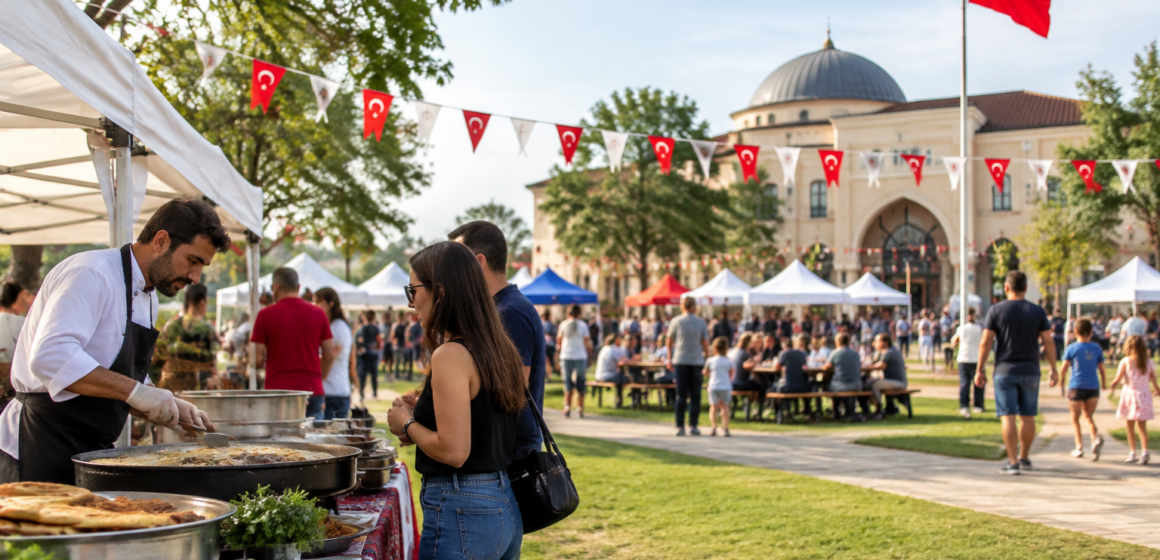
The cultural center’s own event listing independently confirms the October 17–18 schedule, the North Main Street venue and the free-admission policy. It describes a two-day gathering hosted by the nonprofit Istanbul Cultural Center of Georgia, with more than 20 Turkish dishes, traditional desserts, music, folk dancing, cultural activities and a children’s zone. Global Atlanta’s current event listing also identifies the 19th festival, the same organizer and the same Alpharetta address. Together, those listings reinforce the updated announcement while keeping the focus on one specific event: a Turkish food and culture festival held on the cultural center’s grounds.
Free entry, optional RSVP and a separate parking address
Visitors do not need to register to enter. The festival website nevertheless encourages an RSVP so organizers can estimate attendance and prepare food, seating and staffing. Its form asks for group size and the intended attendance day, but the accompanying explanation makes clear that submitting it does not reserve a place or guarantee seating. That distinction matters for families coordinating an outing: the RSVP is a planning tool for the organizer, not a ticket or a restaurant-style reservation. People who know their plans can help estimate demand, while those who have not completed the form can still attend. Any invitation shared with friends should use the revised October dates.
Drivers should distinguish the festival address from the parking destination. The organizer directs visitors to free parking at 192 Mayfield Rd, Alpharetta, with a complimentary shuttle connecting that lot to the cultural center. The parking page advertises departures approximately every 10–15 minutes during the 11 a.m.–7 p.m. festival hours and says the last shuttle leaves the venue at 7:15 p.m. Visitors are instructed to look for shuttle-stop signs in the lot. The same page describes the cultural center as ADA accessible and asks anyone with specific accessibility needs to contact the organizer. Sharing both addresses before departure can help a group arrive at the intended location rather than confuse parking with the festival entrance.
Free admission does not mean the food is free. According to the festival FAQ, purchases at food booths use festival tickets, which visitors first buy at an on-site ticket booth with cash or a credit card. The food booths themselves do not accept cash; tickets are exchanged there for dishes. This creates an important distinction between entering the grounds and ordering a meal: no admission ticket is required, but food purchases follow the organizer’s ticket system. Reviewing the posted menu before buying tickets can help visitors decide which dishes interest them and how much they want to spend. The FAQ also characterizes the festival as family-friendly, with food and activities intended for different ages.
A menu built around different cooking methods
The festival’s online menu presents 22 items across main dishes, sides, desserts and drinks, offering more variety than a lineup of grilled meats alone. Its main-dish listings include kebabs, filled flatbread, dumplings and sandwiches, with descriptions that explain how preparations differ. Adana kebab, çağ kebab, döner and lamb shish are each advertised at $15; gözleme is $10 and mantı is $12. Those posted prices allow visitors to separate the cost of eating from the free entry and transportation arrangements. The list is best approached as the organizer’s planned offering rather than a promise of uninterrupted availability. Visitors can use it to identify a few contrasting dishes before deciding what to order on site.
Adana kebab is one of the more fully described dishes. The organizer presents it as minced lamb seasoned with red pepper flakes, placed on broad metal skewers and cooked over charcoal, with grilled vegetables, sumac onions and lavash served alongside. Its ingredient list includes lamb, tail fat, salt, tomatoes and peppers, and the page identifies gluten among the allergens. The description makes clear that this is a spicy minced-meat preparation, not simply cubes of meat on a skewer. For someone unfamiliar with the menu, those details provide a useful basis for choosing: seasoning, texture and accompaniments are all part of the advertised plate, not just the name of the kebab.

Çağ kebab offers a different preparation at the same advertised $15 price. The festival associates it with Erzurum in eastern Turkiye (Turkey) and describes marinated lamb arranged on a horizontal rotating spit over a wood fire, then sliced onto skewers for serving. Its listed ingredients include lamb shoulder, onion, black pepper, butter, lavash, tomatoes and green peppers, with gluten and dairy identified. Döner, meanwhile, appears on the main menu as seasoned meat cooked on a vertical rotisserie. Comparing these descriptions gives visitors a more useful choice than price alone: the direction of the spit, the treatment of the meat and the serving method distinguish the advertised preparations.
Gözleme moves away from the rotisserie and charcoal-grill selections. Priced at $10 and labeled vegetarian, it is described as thin, hand-rolled flatbread with savory fillings, cooked on a curved griddle known as a sac. The festival’s ingredient page lists spinach, feta cheese and butter, with potato noted as optional. It also identifies gluten and dairy. The vegetarian designation therefore should not be read as a vegan label, and the optional ingredient should not be taken as confirmation that every filling variation will be available. Asking what is being prepared at the booth can settle that question. As advertised, the dish offers a flatbread-based contrast to the festival’s minced, skewered and spit-roasted meats.
Two other menu entries broaden the choices further. Mantı, listed at $12, consists of small meat-filled dumplings served with garlic yogurt, red pepper butter and dried mint; the ingredient page specifies ground beef and onion and identifies gluten and dairy. Yaprak sarma, listed at $5 for a 200-gram portion, is labeled vegan. The organizer describes grape leaves wrapped around rice, tomatoes, onion and herbs, cooked with olive oil and lemon juice and served cold. These dishes provide different formats as well as different ingredients: a warm dumpling dish with dairy-based toppings and a cold rice-filled side. Visitors selecting food for several people can compare the published recipes rather than assume that all savory dishes share the same meat or sauce.
Desserts, tea and coffee beyond the main plates
The dessert descriptions give visitors another set of distinctions to consider. Katmer is advertised at $8 and described as a Gaziantep specialty made with thin dough, crushed pistachios and kaymak, or clotted cream, served hot. Künefe, listed at $10, combines shredded pastry with unsalted cheese, syrup and pistachios. Both pages identify gluten, dairy and nuts. Although the two share some ingredients, their advertised pastry forms and fillings are different: folded thin dough with cream in one case, shredded pastry surrounding cheese in the other. Reading those details can help a group choose between desserts without relying only on photographs or unfamiliar names, and it keeps the ingredient information visible before a purchase.
Lokma supplies a separate dessert option at a posted price of $5. The festival describes bite-sized fried dough pieces soaked in syrup and labels its recipe vegan. The ingredient list includes flour, yeast, water, sugar syrup, salt and lemon juice, while the allergen information identifies gluten. That makes it distinct from the cream- and cheese-containing desserts, but the vegan label does not answer every ingredient question a visitor might have. The published recipe is a starting point for choosing, not a substitute for asking the food team about a particular concern. Across the dessert menu, the most informative comparison is between the specific advertised ingredients and preparations rather than a broad assumption that every sweet pastry is alike.

The tea-and-sweets offering is listed within a $5–$10 range and pairs Turkish black tea with simit, a sesame-covered bread ring, and small sweets. Its page identifies gluten, sesame and dairy. Turkish coffee is separately advertised at $4, with the current dish page describing finely ground coffee prepared in a copper cezve using hot sand and served unfiltered. Both the coffee page and the updated menu show the same price, so the earlier draft’s warning about a different price on an older coffee page is no longer needed. For visitors considering a smaller purchase rather than another main plate, these listings provide clearly described options; the precise selection and price can be confirmed at the booth.
Music, family activities and final checks before departure
The advertised program includes live Turkish music, folk dancing, cultural exhibits and a children’s zone. An October 13 report by The Atlanta Journal-Constitution adds that performers from the International Festival of Language and Culture will present selections from Symphony of Earth at the rescheduled festival. That is a specific performance detail beyond the festival homepage’s general entertainment description, although the sources reviewed do not provide a detailed running order. The organizer also cautions that this outdoor event’s dates, hours, menu, vendors and performers can change, with notices posted on its website and social channels. After one postponement, checking those updates before leaving remains sensible. The currently announced plan is October 17–18, 11 a.m.–7 p.m. both days, with free admission and food available for purchase.
Original source: Read the original article.
Source credit: This news brief is based on reporting from Atlanta Turkish Food Festival.
Original headline: 19th Atlanta Turkish Food Festival
Additional sources and references:
- 19th Atlanta Turkish Food Festival — Istanbul Cultural Center of Georgia
- Explore a pumpkin patch and Turkish food festival this week in Atlanta — The Atlanta Journal-Constitution
- 19th Annual Turkish Food Festival — Global Atlanta
Featured image credit: Image created for ATIIC.